
- Home/
- Buy Propecia in Online Pharmacy for United States Customers
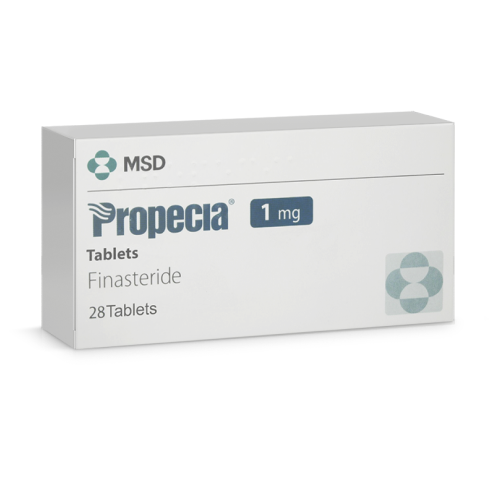
Table of Contents
- Is Propecia (Finasteride) Available Without Prescription in the United States?
- Summary: Key Facts About Propecia
- How Does Propecia Work to Treat Hair Loss?
- Expert Commentary from doctor
- How Should Propecia Be Taken? (Dosage and Administration)
- What Should I Know About Propecia and Food, Alcohol, or Lifestyle?
- Who Should Not Take Propecia? Contraindications and Red Flags
- What Side Effects Are Most Common with Propecia?
- Common Patient Mistakes Observed by doctor
- How Does Propecia Compare to Other Hair Loss Treatments?
- Questions Frequently Asked to doctor
- Key Characteristics of Propecia: Quick Reference Table
- How to Obtain Propecia Legally in the United States: Step-by-Step Guide
- Legal Considerations: Buying Propecia Online Versus Local Pharmacies
- How to Identify Genuine Propecia and Avoid Counterfeits
- How Is Propecia Absorbed and Eliminated? (Pharmacokinetics)
- Special Patient Groups: What If I Have Other Health Conditions?
- Compatibility of Propecia with Common Medications and Products
- Original Propecia vs Generics: What’s the Difference?
- Hair Loss and Emotional Wellbeing: A Note of Support
- What Should I Do If I Take Too Much Propecia?
- What Should I Do If Propecia Is Not Working for Me?
- Professional Opinion of doctor
- Frequently Asked Questions about Propecia
- References
Is Propecia (Finasteride) Available Without Prescription in the United States?
No, it is illegal to obtain Propecia (Finasteride) without a prescription in the United States. You must consult a licensed healthcare provider—either in-person or through a legitimate telehealth service—to receive a prescription, which you can then use at a certified pharmacy.
Summary: Key Facts About Propecia
| Fact | Details (2026, United States) |
|---|---|
| Active Ingredient | Finasteride 1 mg |
| Main Use | Treatment of male pattern hair loss (androgenetic alopecia) in adult men |
| Prescription Status | Prescription-only (Rx) |
| FDA Approved? | Yes, since 1997 for hair loss |
| Onset of Effect | Visible results typically after 3–6 months of daily use |
| Main Contraindication | Women (especially if pregnant), children, patients with known hypersensitivity to Finasteride |
| Current Estimated Price (2026) | $25–$70/month for branded; generics $10–$40/month (varies by pharmacy and insurance) |
| Common Side Effects | Sexual dysfunction, reduced libido, breast tenderness, mood changes |
| Insurance Coverage | Rarely covered for hair loss treatment (cosmetic use) |
For a full list of contraindications, side effects, and drug interactions, see detailed sections below.
How Does Propecia Work to Treat Hair Loss?
Propecia contains finasteride, a type II 5-alpha-reductase inhibitor. This enzyme converts testosterone into dihydrotestosterone (DHT)—a hormone that causes hair follicles in genetically susceptible men to shrink, leading to thinning hair and eventual hair loss.
By inhibiting 5-alpha-reductase, finasteride reduces DHT levels in the scalp by up to 60–70% (per FDA data), slowing the miniaturization of hair follicles. Over time, this helps hair regrow or thicken in men with male pattern baldness, particularly on the crown and mid-scalp areas.
Simple Metaphor: If DHT is like a “weed killer” for hair follicles, Propecia acts like a “filter” that blocks most of the harmful effects, allowing hair to hold on and sometimes regrow.
Important: Finasteride does not stimulate new hair follicles; it mainly preserves existing ones and can reverse miniaturization if started early. It won’t help with hair loss unrelated to DHT (e.g., scarring alopecia, thyroid problems).
- Requires continuous daily use for ongoing effect.
- Stopping the medication usually results in loss of any regrown hair within 12 months.
References: FDA, PubMed, Mayo Clinic
Expert Commentary from doctor
In my clinical experience, the biggest misunderstanding about Propecia is expecting rapid results or new hair growth in completely bald areas. Most patients who benefit start within the first few years of hair thinning—when follicles are still producing hair, even if it’s fine or miniaturized. I always emphasize: Propecia preserves hair you have; it doesn’t restore what’s completely gone. Another pitfall is inconsistent use—missing doses reduces its effectiveness, as DHT levels rebound quickly. Also, some patients worry about sexual side effects after reading online stories. While those are real concerns, I encourage honest dialogue about risk versus benefit, as many men experience no side effects and report higher satisfaction with early intervention. Always discuss your expectations and concerns openly with your healthcare provider.
How Should Propecia Be Taken? (Dosage and Administration)
- Standard Adult Dose:
- 1 mg finasteride by mouth once daily (tablet; not to be split or crushed, due to risk for female or child exposure to powder).
- Timing:
- May be taken with or without food, at any time of day. Consistency is key—take at the same time daily.
- Duration to Effect:
- Initial results may be seen at 3 months, but optimal benefit typically requires 6–12 months of uninterrupted use.
- Missed Dose:
- If you miss a dose, take it as soon as you remember; if it’s nearly time for your next dose, skip the missed one—do not double up.
- Maximum Dose:
- Do not exceed 1 mg daily for male pattern hair loss. Higher doses are used for other conditions but are not more effective for hair regrowth.
- Special Populations:
-
– Elderly: No dose adjustment generally required, but always consult your provider.
– Renal impairment: No adjustment needed for mild/moderate cases.
– Hepatic impairment: Use caution—consult your doctor as the drug is metabolized by the liver.
- Tablets must not be handled by women who are pregnant or may become pregnant, as absorption of finasteride can cause fetal harm.
- Do not split or crush tablets due to exposure risk.
- Always follow the specific instructions provided by your prescribing provider.
What Should I Know About Propecia and Food, Alcohol, or Lifestyle?
Food: Propecia can be taken with or without meals. No clinically significant interactions with food have been reported; high-fat meals do not significantly alter absorption or effectiveness per current studies (see FDA labeling).
Alcohol: No direct interaction is established between moderate alcohol consumption and finasteride. However, excessive alcohol may worsen hair loss (indirectly) and could exacerbate liver strain in rare cases.
Grapefruit Juice: Finasteride is metabolized by the liver (CYP3A4), but no clinically significant interaction with grapefruit juice has been documented as of 2026. Still, moderation is prudent if you take other medications metabolized by this pathway.
- Sports/Exercise: No known impact on athletic performance, driving, or machinery operation.
- Reproductive Health: Men wishing to father children should discuss with their doctor, as finasteride may affect sperm parameters (see section on fertility below).
Myth vs Reality: Myth: “You can’t drink at all on Propecia.” Reality: Moderate drinking is not directly contraindicated, but heavy alcohol use is always discouraged for health reasons.
Who Should Not Take Propecia? Contraindications and Red Flags
| Type | Contraindication | Explanation |
|---|---|---|
| Absolute | Pregnancy (women who are or may become pregnant) | Finasteride causes abnormalities of external genitalia in male fetuses; exposure must be avoided—even via crushed tablet handling. |
| Absolute | Children and adolescents | Safety and efficacy not established; not for use under 18 years old. |
| Absolute | Known allergy to finasteride or any component | Risk of severe allergic reaction (anaphylaxis, rash, swelling). |
| Relative | Severe liver impairment | Finasteride is metabolized by the liver; use caution, monitor closely. |
| Relative | History of prostate cancer | Finasteride lowers PSA levels, which may complicate cancer screening. |
| Relative | Men planning to father children | Can affect sperm quality; effects are reversible upon discontinuation. |
No clinical studies have found direct cardiovascular contraindications, but always inform your doctor of all medical conditions. PSA (prostate specific antigen) levels may be affected; tell your provider before any prostate cancer screening.
What Side Effects Are Most Common with Propecia?
| Frequency | Possible Side Effect | Explanation |
|---|---|---|
| Very Common (>1 in 10) |
Reduced libido | Lowered DHT can affect sexual desire |
| Common (1–10 in 100) |
Erectile dysfunction Reduced semen volume Breast tenderness/enlargement Mood changes (depression, anxiety) |
Hormonal shifts may affect sexual function, mood, or breast tissue |
| Rare (1–10 in 10,000) |
Allergic reactions (rash, swelling) Testicular pain Infertility (temporary or reversible) |
Uncommon immune or reproductive effects |
| Very Rare (<1 in 10,000) |
Male breast cancer Persistent sexual dysfunction after stopping (so-called “post-finasteride syndrome”—controversial and still being studied) |
Cases reported, causality not always clear; discuss concerns with your provider |
- Most side effects resolve after discontinuing Propecia, but a minority experience persistent symptoms.
- If you notice breast lumps, nipple discharge, severe depression, or suicidal thoughts, stop the medication and contact your provider immediately.
- For mild side effects, discuss with your doctor before making any changes.
Common Patient Mistakes Observed by doctor
- Stopping the medication too soon: Many patients expect rapid results and stop after 2–3 months if they see no improvement. Reality: It often takes at least 6 months for noticeable changes. Solution: Set realistic expectations and commit to daily use for at least half a year.
- Inconsistent dosing: Skipping doses or taking breaks allows DHT levels to rebound, reducing the drug’s effectiveness. Solution: Take it at the same time each day.
- Self-adjusting the dose: Increasing the dose does not improve hair growth for androgenetic alopecia and may increase side effect risk. Solution: Never take more than prescribed.
- Using expired or counterfeit products: Buying from unverified online sources increases the risk of receiving ineffective or unsafe medication. Solution: Only use licensed pharmacies.
- Not reporting side effects: Some patients are embarrassed to discuss sexual or emotional side effects. Solution: Always report new symptoms—your provider can help adjust treatment.
- Not disclosing use before PSA testing: Finasteride artificially lowers PSA, potentially masking signs of prostate cancer. Solution: Inform all healthcare providers about your Propecia use.
How Does Propecia Compare to Other Hair Loss Treatments?
| Product | Active Ingredient | Onset (months) | Duration of Use | Common Side Effects | Price Range (2026; USD/month) | Prescription? |
|---|---|---|---|---|---|---|
| Propecia (Brand) | Finasteride 1 mg | 3–6 | Indefinite | Sexual dysfunction, mood changes | $25–$70 | Yes |
| Finasteride (Generic) | Finasteride 1 mg | 3–6 | Indefinite | As above | $10–$40 | Yes |
| Minoxidil Foam/Solution | Minoxidil 5% | 3–6 | Indefinite | Scalp irritation, unwanted facial hair | $15–$35 | No (OTC) |
| Dutasteride (off-label) | Dutasteride 0.5 mg | 3–6 | Indefinite | Increased risk of side effects vs finasteride | $30–$90 | Yes |
| Hair Transplant | n/a | Results apparent after 3–12 months | Permanent (with touch-ups) | Surgical risks, scarring | $4,000–$15,000 (one-time) | n/a |
Bottom Line: Propecia is often used in combination with minoxidil for maximum effect. Both require ongoing use. Hair transplant offers a surgical solution but at a much higher cost and with different risk profiles. Always discuss the best option with a specialist.
Questions Frequently Asked to doctor
- Can I stop Propecia after my hair regrows?
- No—if you stop, you will likely lose any hair regrown within 12 months as DHT levels return to baseline.
- Is it safe to take Propecia with other vitamins or supplements?
- Generally yes, but always list all supplements to your doctor to check for rare interactions.
- What should I do if I miss a dose?
- Take your next dose at the usual time. Do not double the dose to catch up.
- How long do side effects last if I stop the medication?
- Most side effects resolve within weeks of discontinuation, but rarely sexual or mood symptoms may persist; ongoing research continues here.
- Can Propecia affect my ability to father children?
- Finasteride may reduce sperm count/quality in some men, but these effects are typically reversible. If you plan conception, discuss with your provider before starting or continuing treatment.
- Does alcohol reduce the effectiveness of Propecia?
- No direct impact, but heavy alcohol use can worsen hair loss and is not recommended.
- At what age should I consider starting Propecia?
- It’s most effective in men 18–40 with early-stage male pattern baldness. Older men can benefit, but discuss expectations with a specialist.
Key Characteristics of Propecia: Quick Reference Table
| Parameter | Value |
|---|---|
| Drug Class | 5-alpha-reductase inhibitor |
| Prescription Status | Prescription-only in United States |
| Usual Adult Dose | 1 mg daily |
| Onset of Action | 3–6 months for visible effect |
| Peak Effect | 6–12 months |
| Metabolism | Liver (CYP3A4) |
| Elimination | Urine, feces |
| Half-life | 4.8–6 hours |
| Generic Available? | Yes |
| Common Side Effects | Sexual dysfunction, mood changes |
How to Obtain Propecia Legally in the United States: Step-by-Step Guide
-
Step 1: Schedule a Consultation.
- In-person: Visit a board-certified dermatologist or primary care provider (in cities like New York, Los Angeles, Chicago, or your local area).
- Online: Use a licensed telehealth service (e.g., Teladoc, Hims, or Roman—ensure they are US-licensed and require a real medical review).
-
Step 2: Medical Evaluation.
- Discuss your hair loss history, other medical conditions, current medications, and expectations.
-
Step 3: Receive Your Prescription.
- Upon medical approval, your doctor will send a prescription to your chosen, licensed US pharmacy—either in person or electronically.
-
Step 4: Fill Your Prescription.
- Collect at a local or mail-order pharmacy. Insurance rarely covers cosmetic use, so check costs in advance.
-
Step 5: Follow Up.
- Schedule regular check-ins—every 6–12 months—to monitor for effectiveness and side effects.
Do not buy from unverified online sources that do not require a prescription—these may sell counterfeits or unsafe products. The US FDA maintains a list of safe pharmacy practices.
Legal Considerations: Buying Propecia Online Versus Local Pharmacies
In the United States, it’s legal to buy Propecia from a licensed online pharmacy that requires a valid prescription. Look for the VIPPS (Verified Internet Pharmacy Practice Sites) seal, which signals compliance with US regulations. Never purchase from sites offering Propecia “without prescription”—these often ship unregulated, counterfeit, or unsafe medication, and may be subject to seizure by US Customs.
- Local Pharmacies: Safer for verifying authenticity, but prices may be higher.
- Mail-Order/Online: Legitimate for convenience and competitive pricing; prescription required.
- Unlicensed Websites: High risk of counterfeits, legal issues, and personal data theft.
Your prescription protects you by ensuring a qualified provider has reviewed your health for possible contraindications and safe use.
How to Identify Genuine Propecia and Avoid Counterfeits
- Original Propecia (brand): Manufactured by Merck & Co., comes in a white tablet, “MSD 71” engraved, blister packs, and a branded box with US-specific labeling.
- Check for: Lot number, expiration date, and (in newer lots) a scannable QR code or hologram for verification.
- Beware of: Tablets that are misshapen, off-color, lacking engravings, or packaging without English-language US labeling.
- Unusually low prices are a red flag for counterfeit or imported non-equivalent products.
- Generics: Must be FDA-approved; packaging varies by manufacturer but should always display US NDC code and pharmacy information.
Myth vs Reality: Myth: “Generics are lower quality.” Reality: All generics sold in US pharmacies must meet identical FDA standards for safety, effectiveness, and quality.
If unsure, consult your pharmacist or check with the FDA’s BeSafeRx resource.
How Is Propecia Absorbed and Eliminated? (Pharmacokinetics)
Absorption: Finasteride is well absorbed orally, reaching peak plasma concentrations in ~1–2 hours.
Metabolism: Primarily in the liver (CYP3A4 system).
Elimination: Excreted via urine (~39%) and feces (~57%).
Half-life: About 4.8–6 hours in healthy adults.
Implications: Patients with severe liver disease should consult their doctor. No special precautions are needed for most patients with mild-to-moderate kidney disease.
References: FDA
Special Patient Groups: What If I Have Other Health Conditions?
- Liver impairment: Caution advised; monitor closely.
- Kidney impairment: No dose adjustment generally needed.
- Older adults: No routine dose change, but monitor for side effects.
- Men trying to father children: Discuss risks of temporary sperm changes.
- Women and children: Propecia is not indicated and may be harmful if taken or handled.
- Driving and Machinery: No data indicates impairment of ability to drive or operate machinery.
Compatibility of Propecia with Common Medications and Products
| Product | Can It Be Combined? | Potential Consequence |
|---|---|---|
| Minoxidil (topical) | Yes | No significant interaction; often combined for enhanced effect |
| Testosterone therapy | Yes, with caution | May reduce effectiveness of Propecia; consult specialist |
| Warfarin (blood thinner) | Yes, but monitor | No significant interaction, but inform your provider |
| Antidepressants | Yes | No direct interaction, but monitor for mood changes |
| Herbal supplements (e.g., saw palmetto) | Not recommended | May duplicate action and increase side effect risk |
| Alcohol | Yes (in moderation) | No direct interaction |
Always disclose all prescription, over-the-counter, and herbal products to your provider to minimize risk.
Original Propecia vs Generics: What’s the Difference?
- Active Ingredient: Identical (finasteride 1 mg).
- Effectiveness: Equivalent if FDA-approved.
- Excipients/Inactives: May differ (colorants, fillers); rarely causes allergies. Ask your pharmacist if you have sensitivities.
- Price: Generics are typically 40–70% less expensive.
- Packaging: Manufacturer varies, but all US generics require NDC code, pharmacy label, and FDA approval.
- Why choose generics? Cost savings with identical clinical benefit; no evidence that brand is “stronger” or “purer.”
Hair Loss and Emotional Wellbeing: A Note of Support
Male pattern hair loss is very common and can impact self-esteem or emotional wellbeing. You’re not alone—millions of men in the United States seek help for this condition each year. If hair loss is affecting your mood, relationships, or confidence, consider speaking openly with a healthcare professional or counselor. Addressing the psychological side of hair loss is just as important as managing the physical.
What Should I Do If I Take Too Much Propecia?
- Stop taking the medication immediately.
- Call your provider or the Poison Help Line at 1-800-222-1222.
- If symptoms are severe (difficulty breathing, swelling, chest pain), call 911 for emergency assistance.
- Tell the medical team exactly how much was taken and when.
No specific antidote exists; treatment is supportive. Overdose is rarely life-threatening but may increase risk of side effects.
What Should I Do If Propecia Is Not Working for Me?
First, ensure you have used Propecia consistently for at least 6–12 months. If there’s still no improvement, consult your provider to:
- Confirm the diagnosis (is it androgenetic alopecia or another form of hair loss?).
- Consider combination therapy (e.g., adding minoxidil or other modalities).
- Review for underlying medical conditions (thyroid, iron deficiency, etc.).
- Assess whether a hair transplant or other intervention may be appropriate.
Bottom line: Not all types of hair loss respond to Propecia. Only a qualified specialist can determine your best course of action.
Professional Opinion of doctor
In my practice, Propecia (finasteride) provides the greatest benefit for adult men in the early stages of male pattern hair loss. It is well tolerated by most patients and can significantly slow progression or even regrow hair in select individuals. However, the benefit is limited for those with extensive or long-standing baldness. Sexual side effects do occur but are reversible in most cases. I always counsel patients about the need for ongoing, daily use and the importance of honest reporting of any adverse effects. For men who do not respond, or who develop problematic side effects, alternatives such as minoxidil, procedural treatments, or hair transplantation may be preferable. Remember—Propecia is not a cure, but a tool that, when used correctly, can preserve and thicken existing hair. The decision to start therapy should be made in the context of your personal goals, medical history, and lifestyle.
Frequently Asked Questions about Propecia
- Is Propecia covered by insurance for hair loss?
- Most insurers do not cover Propecia for cosmetic hair loss; check with your plan administrator.
- Can women take Propecia for hair loss?
- No—it is contraindicated in women, especially those who are or may become pregnant.
- Is it safe to use Propecia and minoxidil together?
- Yes, many specialists recommend this combination for enhanced effectiveness.
- How long must I use Propecia?
- Indefinitely, as stopping will result in loss of any regrown or maintained hair within 6–12 months.
- Does Propecia cause permanent side effects?
- Most side effects resolve after stopping the drug, but some rare cases of persistent symptoms have been reported.
- How much does Propecia cost in the United States?
- Brand name: $25–$70/month; generics: $10–$40/month.
- Is it legal to buy Propecia online?
- Yes, but only from licensed online pharmacies that require a valid prescription.
- Do I need to see a dermatologist to get Propecia?
- Not strictly; primary care providers can also prescribe, but dermatologists specialize in hair loss evaluation.
- Can I drink alcohol while taking Propecia?
- Moderate alcohol is not contraindicated, but avoid excess for general health.
- Will shaving my head make Propecia work better?
- No—hair shaving does not affect drug action or regrowth rate.
References
- U.S. Food and Drug Administration. Propecia (finasteride) label and approval history. Accessed 2026. https://www.accessdata.fda.gov
- Mayo Clinic. Finasteride (Oral Route). Accessed 2026. https://www.mayoclinic.org/drugs-supplements/finasteride-oral-route/description/drg-20062227
- PubMed. Recent finasteride studies (2023–2026). Accessed 2026. https://pubmed.ncbi.nlm.nih.gov
- American Academy of Dermatology Association. Hair loss: Who gets and causes. Accessed 2026. https://www.aad.org/public/diseases/hair-loss/causes/alopecia
- ClinicalTrials.gov. Finasteride for androgenetic alopecia studies. Accessed 2026. https://clinicaltrials.gov
- U.S. National Library of Medicine. MedlinePlus: Finasteride. Accessed 2026. https://medlineplus.gov/druginfo/meds/a698016.html
- FDA BeSafeRx: Your source for online pharmacy information. Accessed 2026. https://www.fda.gov/drugs/besaferx-your-source-online-pharmacy-information
- American Hair Loss Association. Finasteride for hair loss. Accessed 2026. https://www.americanhairloss.org