- Home/
- Buy Antabuse in Online Pharmacy for the United States
This article is for informational purposes only. Medication use is only possible after consultation with a doctor. Self-medication can be dangerous to your health and life.
Antabuse in the United States: Key Facts
Antabuse (active ingredient: Disulfiram) is a prescription medication used in the United States as part of a comprehensive treatment plan for alcohol dependence. It is not available for purchase without a valid prescription from a licensed healthcare provider.
Antabuse is regulated by the U.S. Food and Drug Administration (FDA). As of 2026, it remains a prescription-only medication, and self-medication or obtaining it from unverified online sources can be illegal and dangerous.
Insurance coverage for Antabuse varies by state, provider, and individual insurance plan. Generic disulfiram is widely available through licensed U.S. pharmacies.
Summary: What You Need to Know Fast
| Active Ingredient | Disulfiram |
|---|---|
| Drug Class | Aldehyde dehydrogenase inhibitor |
| Indication | Alcohol dependence (maintenance of abstinence) |
| Prescription Required | Yes, in the United States |
| Onset of Action | Within 12 hours of the first dose |
| Alcohol Use Allowed? | Strictly prohibited during treatment |
| Main Contraindication | Severe heart or liver disease |
| Common Side Effects | Nausea, drowsiness, metallic taste |
| Insurance Coverage | Varies by plan; most generics covered |
| Legal Status | FDA-approved; prescription only |
Bottom line: Antabuse can help maintain abstinence from alcohol, but only as part of a supervised medical and psychological treatment plan. Strict avoidance of all alcohol—including hidden sources—is essential for safety.
How Does Antabuse (Disulfiram) Work?
Disulfiram works by inhibiting the enzyme aldehyde dehydrogenase in the liver. Normally, when you drink alcohol, your body converts it first to acetaldehyde (by alcohol dehydrogenase) and then to acetate (by aldehyde dehydrogenase) for safe elimination.
When you take Antabuse, the breakdown of acetaldehyde is blocked. As a result, if you consume alcohol, acetaldehyde builds up rapidly in your blood. This triggers an extremely unpleasant reaction—called the disulfiram-ethanol reaction—which can include:
- Flushing of the face and neck
- Pounding headache
- Rapid heartbeat (tachycardia)
- Nausea and vomiting
- Difficulty breathing
- Profound anxiety
This reaction can start 10–30 minutes after drinking alcohol and may last for several hours.
Key point: Antabuse does not reduce cravings for alcohol—it acts as a deterrent by making alcohol consumption acutely unpleasant and potentially dangerous.
Simplified metaphor: Imagine your body has a “filter” for alcohol. Antabuse turns off this filter. If you drink, toxic byproducts surge, making you feel sick very quickly.
Myth vs Reality: Myth: Antabuse makes you “not want alcohol.” Reality: It doesn’t affect psychological cravings; it makes drinking alcohol physically intolerable.

How to Take Antabuse: Dosage and Instructions
- Starting Dose
- Typically, 500 mg once daily for 1–2 weeks, then maintenance at 250 mg daily (adjust as prescribed).
- Maximum Dose
- 500 mg per day. Higher doses increase the risk of side effects and are not recommended.
- Administration
- Oral tablet, usually taken in the morning. If drowsiness occurs, evening dosing may be advised.
- Duration
- May be continued for months to years, as part of a broader recovery plan.
- Tablet Splitting
- Do not split or crush unless your pharmacist confirms the tablet is scored and approved for division.
- Missed Dose
- If you miss a dose, take it as soon as you remember unless it is almost time for the next dose. Do not double up.
- Adjustment for Elderly or Liver Disease
- Lower doses or additional monitoring may be needed. Discuss with your doctor.
Important: Never start Antabuse if you have consumed alcohol within the last 12 hours, and do not drink alcohol while on Antabuse or for up to 14 days after discontinuing.
Interactions with Food, Alcohol, and Lifestyle: What Should You Know?
| Product/Food | Can It Be Combined? | Consequences / Notes |
|---|---|---|
| Alcohol (any form) | NO | Disulfiram-ethanol reaction; potentially severe or life-threatening |
| Foods with alcohol (e.g., sauces, desserts) | NO | Read labels; avoid cough syrups, extracts, fermented products |
| Fatty meals | Yes | No significant effect on absorption |
| Grapefruit juice | Yes | No documented interaction |
| Nitroglycerin | NO | May cause dangerously low blood pressure |
| Warfarin | Use with caution | Can increase effect of warfarin; monitor INR closely |
| Caffeine | Yes | No significant interaction |
| Antidepressants | Use with caution | May increase risk of side effects; monitor closely |
Be vigilant: Alcohol can hide in sauces, over-the-counter medicines, mouthwashes, and hygiene products. Always check ingredient lists.
Contraindications: Who Should Never Take Antabuse?
- Current intoxication or recent (past 12 hours) alcohol use
- Severe heart disease (e.g., heart failure, coronary artery disease)
- Severe liver disease (cirrhosis, hepatitis)
- History of psychosis or severe mental illness
- Hypersensitivity to disulfiram or other thiuram derivatives
- Pregnancy (unless benefits clearly outweigh risks)
- Mild to moderate liver or kidney disease (requires careful monitoring)
- Elderly patients (increased sensitivity to side effects)
- History of seizures or epilepsy
- Diabetes (may worsen glucose control)
- Concomitant use of certain psychotropic medications
Antabuse should not be restarted until at least one week after a heart attack or stroke, and only under direct medical supervision.
Why these red flags? Antabuse can strain the heart and liver by causing rapid changes in blood chemistry when alcohol is consumed. In people with underlying disease, this can be life-threatening.
What Side Effects Are Most Common with Antabuse?
| Frequency | Side Effect | Comments |
|---|---|---|
| Very common (>1 in 10) | Drowsiness, metallic or garlic-like taste | Often mild and improve with time |
| Common (1 in 100 to 1 in 10) | Headache, skin rash, acne, mild GI upset | Usually self-limited |
| Uncommon (1 in 1,000 to 1 in 100) | Peripheral neuropathy (tingling/numbness), allergic reactions | May require discontinuation |
| Rare (1 in 10,000 to 1 in 1,000) | Hepatitis, severe liver injury, psychosis | Seek immediate medical help |
| Very rare | Optic neuritis, myocardial infarction | Life-threatening; discontinue immediately |
If you develop symptoms of liver injury (yellowing of eyes/skin, dark urine), severe mood changes, or a rash with blisters, stop Antabuse and seek immediate medical attention.
Most common side effects are mild, but rare severe reactions can occur—especially if combined with alcohol or certain medications.
How Does Antabuse Compare to Other Alcohol Dependence Medications?
| Medication | Mechanism | Onset | Major Side Effects | Price (US) | Prescription? |
|---|---|---|---|---|---|
| Antabuse (Disulfiram) | Aldehyde dehydrogenase inhibitor (deterrent) | 12 hours after first dose | Headache, drowsiness, severe reaction with alcohol | ~$15–$40/month (generic) | Yes |
| Naltrexone | Opioid receptor antagonist (reduces craving) | Within 1–2 hours | Nausea, liver toxicity | ~$30–$70/month (generic) | Yes |
| Acamprosate | Glutamatergic modulator (reduces withdrawal symptoms) | Within days | Diarrhea, insomnia | ~$60–$140/month | Yes |
Key differences: Antabuse punishes alcohol intake, while naltrexone and acamprosate reduce cravings or withdrawal discomfort. Antabuse requires the highest level of commitment to abstinence due to severe reactions with any alcohol exposure.
Antabuse at a Glance: Key Product Information
| Parameter | Details |
|---|---|
| Formulation | Oral tablets (250 mg, 500 mg) |
| Time to Peak Plasma | 8–12 hours |
| Half-life (T1/2) | ~60–120 hours (long-lasting effects) |
| Metabolism | Liver (oxidation and reduction) |
| Excretion | Renal (urine) |
| Generic Available? | Yes (disulfiram) |
| Pediatric Use | Not recommended |
| Driving Warning | Possible drowsiness; caution advised |
| Pregnancy Category | Not recommended unless essential |
Always check with your pharmacist for the latest information regarding product appearance or excipients (inactive ingredients), especially if you have allergies.
How to Get Antabuse Legally in the United States (Step-by-Step)
- Consult a healthcare provider: Schedule an appointment with a licensed primary care doctor, psychiatrist, or addiction specialist. Telehealth visits are accepted in most states.
- Medical evaluation: The provider will assess your medical history, check for contraindications, and discuss potential risks and benefits of Antabuse versus alternatives.
- Prescription: If appropriate, your provider will send a prescription to your chosen pharmacy. This may be a local pharmacy (CVS, Walgreens, Rite Aid, etc.) or a licensed online/mail-order pharmacy.
- Pharmacy verification: Only fill your prescription at a pharmacy licensed by your state board of pharmacy (see .pharmacy verification).
- Insurance/Payment: Present your insurance card at the pharmacy. Ask about generic options for lower copays. Out-of-pocket cost for generics typically ranges from $15–$40/month, but varies.
- Pick up or receive medication: Follow all pharmacist instructions regarding use, storage, and side effect monitoring.
Important: Do not attempt to obtain Antabuse from overseas or non-U.S. websites without a prescription—this is illegal and can result in criminal penalties or exposure to counterfeit/unsafe drugs.
How to Identify Genuine Antabuse & Avoid Counterfeits
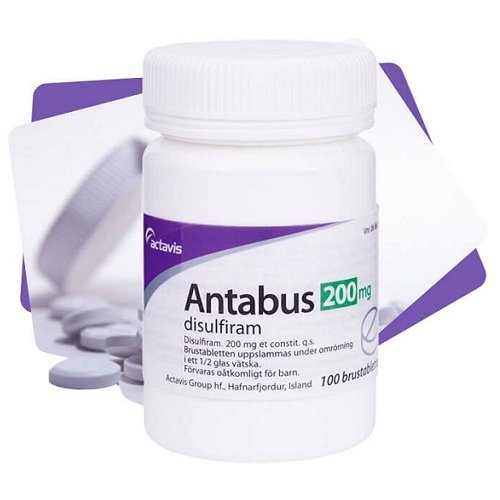
- Packaging: Original Antabuse/disulfiram comes in professional, tamper-evident blister packs or bottles. Look for clear labeling with the name, dose, manufacturer, and a U.S. National Drug Code (NDC).
- Tablet characteristics: Tablets are usually white, round, and may be scored for splitting. Any irregular color, shape, or print could indicate a fake.
- Verification marks: Some manufacturers include QR codes, serial numbers, or holographic seals. U.S. FDA requires proper labeling and traceability.
- Price warning: Unusually low prices (less than $10/month) or offers without a prescription requirement are red flags for counterfeits.
- Pharmacy check: Only purchase from pharmacies licensed in the United States. Use the NABP .pharmacy database to verify legitimacy.
- Generics: FDA-approved generics are safe and equivalent to the brand-name product, but inactive ingredients (excipients) may differ. Rare allergic reactions can occur—consult your pharmacist if you have allergies.
What if you suspect a counterfeit? Do not take the product. Report suspected counterfeits to the U.S. FDA MedWatch program (FDA MedWatch).
Special Patient Groups & Precautions
- Patients with chronic liver disease: Disulfiram is metabolized by the liver and can be toxic in patients with pre-existing liver impairment. Regular liver function monitoring is essential.
- Pregnancy: Antabuse is not recommended during pregnancy due to lack of safety data. Only consider if benefits clearly outweigh risks and under specialist care.
- Elderly patients: May experience more pronounced side effects. Lower starting doses and closer monitoring are advised.
- Those with mental health disorders: Antabuse may worsen some psychiatric conditions. A psychiatric evaluation may be appropriate before starting therapy.
- Diabetes: Disulfiram can alter glucose metabolism; diabetic patients should monitor blood sugar closely.
- Operating machinery or driving: Possible drowsiness, confusion, or impaired concentration. Use caution until individual response is known.
Fertility and family planning: No strong evidence links Antabuse to impaired fertility, but consult your doctor if you are planning pregnancy or breastfeeding.
What to Do in Case of Antabuse Overdose
- Stop taking Antabuse immediately.
- Call 911 or your local emergency number in the United States.
- Provide information: Tell emergency responders the amount and time of dose taken. If possible, bring the medication bottle.
- Do not induce vomiting unless directed by medical professionals.
- Symptoms of overdose: Nausea, vomiting, drowsiness, confusion, difficulty breathing, seizures, cardiovascular collapse.
- Hospital care: Treatment is supportive. There is no specific antidote for disulfiram poisoning.
Your safety is the priority—seek immediate medical help if overdose or severe side effects occur.
Antabuse Experience & Psychological Support
Alcohol dependence is not a personal failure—it’s a common and treatable medical condition. Many people in the United States have successfully used Antabuse as part of a larger recovery strategy that includes counseling, peer support, and lifestyle changes.
If you or a loved one are struggling, consider reaching out to a qualified addiction specialist in your area (for example, in New York City, Los Angeles, Chicago, Houston, or via telehealth services).
Discuss your treatment openly with your provider and support network. Medications like Antabuse can help maintain abstinence, but they work best when combined with therapy and ongoing support. You are not alone, and recovery is possible.
Frequently Asked Questions (FAQ) about Antabuse
- Can Antabuse be purchased without a prescription in the United States?
- No, Antabuse (disulfiram) is a prescription-only medication. Purchasing it without a valid prescription is illegal and unsafe.
- How quickly does Antabuse start working?
- Antabuse begins to work within 12 hours of the first dose. The deterrent effect can last up to 2 weeks after stopping the medication.
- What happens if I drink alcohol while taking Antabuse?
- You may experience a severe and potentially dangerous reaction—flushing, vomiting, chest pain, palpitations, and difficulty breathing. Medical attention may be required.
- Is it safe to use Antabuse with other medications?
- Some medications—especially nitroglycerin, warfarin, and certain psychiatric drugs—can interact with Antabuse. Always provide your doctor and pharmacist with an up-to-date medication list.
- Can I stop Antabuse suddenly?
- Yes, but you must continue to avoid alcohol for at least two weeks after the last dose, as sensitivity to alcohol persists.
- Are generic versions of Antabuse as effective?
- Yes, FDA-approved generic disulfiram is clinically equivalent to the branded product, though inactive ingredients may vary.
- Does insurance cover Antabuse?
- Most insurance plans, including Medicaid, cover generic disulfiram. Check with your insurer and pharmacy for specific coverage and copays.
- How long should Antabuse therapy last?
- Length of therapy varies; some may use it for several months or years, depending on recovery goals and medical advice.
- Can Antabuse cure alcohol dependence?
- No, it does not cure alcoholism or eliminate cravings. It supports recovery by discouraging drinking when combined with counseling and support.
- Where can I find an addiction specialist in the United States?
- Ask your primary care provider for a referral or search for certified addiction medicine doctors through the American Society of Addiction Medicine (ASAM).
References
- FDA. Antabuse (Disulfiram) Prescribing Information. U.S. Food and Drug Administration. Accessed 2026. https://www.accessdata.fda.gov/drugsatfda_docs/label/2019/008904s025lbl.pdf
- National Institute on Alcohol Abuse and Alcoholism (NIAAA). Treatment for Alcohol Problems: Finding and Getting Help. Accessed June 2026. https://www.niaaa.nih.gov/alcohol-health/treatment-recovery
- Cochrane Review. Garbutt JC, et al. Pharmacological Treatments for Alcohol Dependence: A Review of the Evidence. Cochrane Database Syst Rev. 2022;4:CD001867. https://www.cochranelibrary.com/cdsr/doi/10.1002/14651858.CD001867.pub3/full
- PubMed. Skinner MD, Lahmek P, Pham H, Aubin HJ. Disulfiram Efficacy in the Treatment of Alcohol Dependence: A Meta-analysis. PLoS One. 2014;9(2):e87366. https://pubmed.ncbi.nlm.nih.gov/24520338/
- American Society of Addiction Medicine (ASAM). National Practice Guideline for the Treatment of Alcohol Use Disorder. Updated 2024. https://www.asam.org/Quality-Science/quality/2024-practice-guideline-alcohol-use-disorder
- National Association of Boards of Pharmacy (NABP). .pharmacy Verified Websites Program. Accessed 2026. https://nabp.pharmacy/programs/accreditations-inspections/dotpharmacy/
- FDA MedWatch. Reporting Alleged Counterfeit Drugs. Accessed 2026. https://www.fda.gov/safety/medwatch-fda-safety-information-and-adverse-event-reporting-program