
- Home/
- Buy Nolvadex at Low Price in United States Online
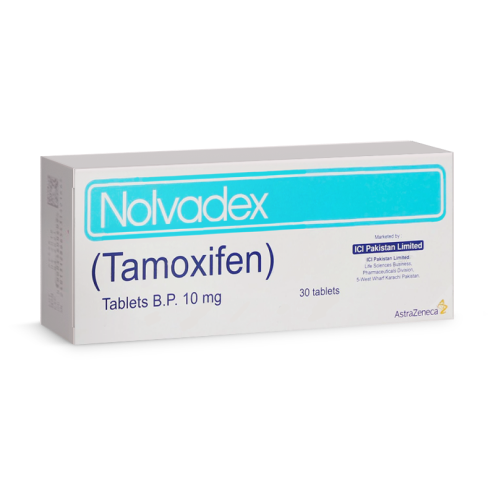
| Brand Name | Nolvadex |
|---|---|
| Main Compound | Tamoxifen |
| Intended Use | Hormone receptor-positive Breast Cancer (treatment and prevention) |
| Strength Variations | 10 mg, 20 mg tablets |
| When Effects Begin | Within weeks; full benefit may take several months |
| Length of Therapeutic Action | 24 hours per dose; prescribed as daily therapy |
| How It’s Taken | Once or twice daily, with or without food |
| Prescription Status | Requires prescription in United States |
| Typical Price Range (US) | $15–$60 per month (generic); brand name higher |
Nolvadex: Key Decisions for Breast Cancer in the United States
Nolvadex, containing the active substance Tamoxifen, is a widely prescribed oral medication for certain types of breast cancer. It is approved and available by prescription throughout the United States for both treatment and prevention in specific clinical situations. If you are considering Nolvadex, understanding its role, suitability, and practical details for use in the U.S. context is essential.
Breast Cancer: How Common, How Treatable
Breast cancer remains the most frequently diagnosed cancer among women in the United States. According to the American Cancer Society, in 2024, an estimated 310,720 new cases of invasive breast cancer are expected to be diagnosed in women. However, advances in therapy—including medications like Tamoxifen—have significantly improved survival and quality of life. The U.S. Food and Drug Administration (FDA) first approved Nolvadex for breast cancer in 1977, and it remains a core part of modern management. Early detection, established treatments, and ongoing research mean that many people live full lives after a breast cancer diagnosis.
How Nolvadex Works—and What That Means for You
Nolvadex belongs to a group called selective estrogen receptor modulators (SERMs). Breast cancers that are “hormone receptor-positive” depend on estrogen to grow. Tamoxifen binds to estrogen receptors in breast tissue, blocking estrogen’s action. In plain terms: Tamoxifen acts like a false key, locking the door to estrogen so that the cancer cells cannot grow or multiply as easily.
- For the patient: This means Nolvadex helps shrink existing hormone-driven tumors and lowers the risk of new cancer developing or recurring after initial treatment.
- Onset: While blood levels of Tamoxifen stabilize within weeks, visible improvements (such as reduction in tumor progression or recurrence risk) are measured over months and years—Nolvadex is a long-term, preventive therapy as well as an active treatment.
- Why it matters: In clinical trials, Tamoxifen cut the risk of recurrence for hormone receptor-positive breast cancer by up to 50% over five years (Early Breast Cancer Trialists’ Collaborative Group, 2011).
Because Nolvadex targets only estrogen-sensitive tumors, it is not appropriate for all breast cancer types. Confirming your tumor’s hormone receptor status is an essential step in deciding whether this medication is right for you.
Who Should—and Should Not—Consider Nolvadex? Decision Table
| Your Situation | Is Nolvadex Recommended? | Reason |
|---|---|---|
| Diagnosed with hormone receptor-positive breast cancer (ER+/PR+) | Yes | Nolvadex is standard therapy, reducing recurrence risk and improving survival. |
| Completed surgery/chemotherapy for early-stage ER+ breast cancer | Yes | Adjuvant Tamoxifen helps prevent cancer returning—typically prescribed for 5-10 years. |
| At increased risk for breast cancer (family history, genetic risk) | Often | May be used for risk reduction in certain high-risk women; requires thorough assessment by an oncologist. |
| Breast cancer that is hormone receptor-negative | No | Nolvadex is ineffective for tumors not driven by estrogen/progesterone. |
| Postmenopausal woman with osteoporosis risk or cardiovascular issues | Cautiously | Other medications (like aromatase inhibitors) may be preferred in some cases; discuss risks and benefits with your doctor. |
| History of blood clots or stroke | Usually not | Tamoxifen increases clot risk; alternative therapies may be safer. |
This table illustrates that while Nolvadex is a keystone for many, it is not universally suitable. The final decision should factor in your cancer subtype, personal and family history, menopausal status, and risk profile. Consultation with a breast cancer specialist is essential before starting therapy.
Taking Nolvadex in Real Life: What to Expect, What to Watch For
- How to take: Nolvadex is typically taken as a single daily tablet, at the same time each day. It can be swallowed with or without food; consistency is more important than timing in relation to meals.
- If you forget a dose: Take the missed tablet as soon as you remember, unless it is almost time for your next dose—then skip the missed one. Do not double up.
- Alcohol and food: There are no strict dietary restrictions. Moderate alcohol intake is generally permitted, but heavy drinking should be avoided due to increased liver strain.
- Duration of therapy: Most patients are advised to take Nolvadex for at least five years, sometimes up to ten, depending on risk and tolerance.
- If symptoms don’t improve: It can take months for benefits to become clear. However, if you notice new symptoms (e.g., swelling, pain, abnormal bleeding), inform your oncology team promptly. Do not stop or alter the dose on your own.
- Monitoring: Regular follow-up visits with your doctor are necessary to monitor for side effects, effectiveness, and rare complications.
- Storage: Keep Nolvadex at room temperature, away from moisture and light, and out of reach of children.
Everyday life on Nolvadex often continues much as before. Most side effects are manageable, and your oncology team will help you address any that arise. Keeping a symptom diary can help both you and your doctor track changes.
Is Nolvadex Safe for Me? Medical Exclusions Explained
Nolvadex is not suitable for everyone. Its main contraindications are based on underlying health risks relating to blood clots, pregnancy, and specific medical conditions. Here is why:
- Personal or family history of deep vein thrombosis (DVT), pulmonary embolism, or stroke: Tamoxifen raises the risk of clots because it can increase blood coagulability. In these cases, alternatives are preferred.
- Pregnancy or breastfeeding: Nolvadex is not safe during pregnancy—animal studies and clinical experience show risk of birth defects. Effective contraception is necessary during therapy and for at least two months after stopping. It is also not recommended during breastfeeding because Tamoxifen can pass into breast milk and may harm the baby.
- Known allergy to Tamoxifen or any excipient in the tablet: Hypersensitivity reactions are rare, but if you have experienced hives, swelling, or severe skin reactions with similar medications, Tamoxifen is not appropriate.
- Severe liver disease: Nolvadex is processed by the liver, so significant impairment may worsen side effects or lead to accumulation of the drug.
For any of these situations, a breast cancer specialist will recommend an alternative. Do not start or stop Nolvadex without your oncologist’s input.
What Side Effects Might Occur? Frequency and When to Seek Help
- Common and usually mild: Hot flashes, night sweats, vaginal discharge, mild nausea, leg cramps. These are experienced by up to 30–50% of patients but are often manageable and tend to improve over time or with supportive care.
- Occasional but important: Changes in menstrual cycle, mild rash, mild hair thinning. These effects are reversible and rarely require stopping therapy.
- Rare but serious—see your doctor immediately: Signs of blood clots (unexplained leg pain or swelling, sudden shortness of breath, chest pain), severe abdominal pain, sudden weakness or numbness (possible stroke), vision changes, or yellowing of skin/eyes (liver issues).
If you experience symptoms such as swelling, redness, or pain in your legs or sudden difficulty breathing, seek emergency help immediately. In the United States, call 911 for urgent situations. The U.S. Poison Control Center is also available at 1-800-222-1222 for medication-related emergencies.
It is important to remember that most side effects do not require stopping Nolvadex, but timely recognition and reporting are crucial for safety.
What If I Take Other Medications? Interactions to Know
Tamoxifen may interact with certain other medicines, sometimes reducing its efficacy or increasing side effect risk. Notable interactions include:
- Antidepressants: Some SSRIs (like paroxetine and fluoxetine) can lower Tamoxifen’s effectiveness by interfering with its conversion to the active form in the liver.
- Blood thinners (warfarin, etc.): Using these together with Tamoxifen can increase bleeding risk.
- Other cancer drugs: Always discuss any chemotherapy or targeted therapy with your specialist, as combinations may require dose adjustments.
- Herbal products: St. John’s Wort and other supplements may affect how Tamoxifen works—always inform your doctor of any non-prescription treatments you are taking.
Keep an up-to-date list of all medications, supplements, and vitamins you use and share this with every provider you see. Your oncology pharmacist is a valuable point of contact for detailed drug interaction checks. Do not start new medications, including over-the-counter ones, without consulting your care team.
Alternatives and Honest Comparison: Where Nolvadex Fits In
| Medication | Main Use | Best For | Limitations |
|---|---|---|---|
| Nolvadex (Tamoxifen) |
Pre- and postmenopausal hormone receptor-positive breast cancer, risk reduction | Premenopausal women; some postmenopausal women; risk reduction in high-risk women | Increased clot risk; less effective in some postmenopausal patients compared to aromatase inhibitors |
| Arimidex/Anastrozole | Postmenopausal hormone receptor-positive breast cancer | Postmenopausal women, particularly if Tamoxifen is not tolerated or contraindicated | Not for premenopausal women; may worsen bone density |
| Letrozole (Femara) | Postmenopausal hormone-positive breast cancer | Postmenopausal patients, often after Tamoxifen or if Tamoxifen is not suitable | Not suitable before menopause; can increase bone loss and joint pain |
| Raloxifene | Risk reduction in high-risk women | Postmenopausal women unable to use Tamoxifen; osteoporosis prevention | Not used for active breast cancer; not for premenopausal women |
Nolvadex remains the most-studied and longest-used option for premenopausal women, for many postmenopausal women, and for certain risk-reduction scenarios. Aromatase inhibitors (Arimidex, Letrozole) are often preferred for postmenopausal patients due to higher efficacy in some studies, but are not approved for those who have not reached menopause. Each medication’s strengths and drawbacks are tied to patient age, cancer subtype, bone health, and personal risk factors. Honest discussion with your oncologist is the best way to select the right therapy.
Costs, Access, and What to Expect When Buying Nolvadex in the U.S.
Nolvadex (Tamoxifen) is widely available in the United States as both the original brand and several generics. Pharmacies—both brick-and-mortar and reputable online outlets—dispense it only with a valid prescription. Prices vary by pharmacy, insurance coverage, and whether you purchase the brand or generic version. The table below summarizes what you might actually pay, including potential related costs.
| Expense | Amount (USD) | Details |
|---|---|---|
| Doctor Consultation (oncologist in person) | $100–$300 | Initial evaluation if uninsured |
| Prescription Fee | $0–$25 | May apply if obtained through telemedicine or certain clinics |
| Generic Tamoxifen (30 tablets, 20 mg) | $15–$60 | Monthly supply; price varies by pharmacy and region |
| Brand-name Nolvadex (30 tablets, 20 mg) | $120–$350 | Higher cost for branded version; check insurance coverage |
| Home Delivery (optional, online pharmacy) | $5–$25 | Standard shipping; some mail-order pharmacies offer free delivery |
| Total (minimum—generic, in-person pick-up) | $15–$85 | No delivery, uninsured, excluding consultation |
| Total (maximum—brand, new patient, delivered) | $250–$700 | Includes consultation, prescription, delivery |
If you have health insurance or Medicare, your out-of-pocket cost may be lower. Patient assistance programs and manufacturer coupons can further reduce expenses for eligible individuals. Always compare local and mail-order pharmacy options, and verify that any online pharmacy is certified and based in the U.S.—the National Association of Boards of Pharmacy maintains a list of verified sites.
What If I Have Unanswered Questions?
Every breast cancer journey is different, and the right answers depend on your unique situation. If you need clarification on whether Nolvadex is compatible with other treatments you are considering, or if new symptoms develop after starting therapy, contact your oncology team promptly. For those considering risk-reduction (preventive) Tamoxifen, ask about genetic counseling and discuss the balance of benefits and risks. Your care team—including your doctor, pharmacist, and nurse navigator—remains your best source for up-to-date, personalized advice throughout treatment.