
- Home/
- Buy Glucophage in Online Pharmacy for United States Buyers
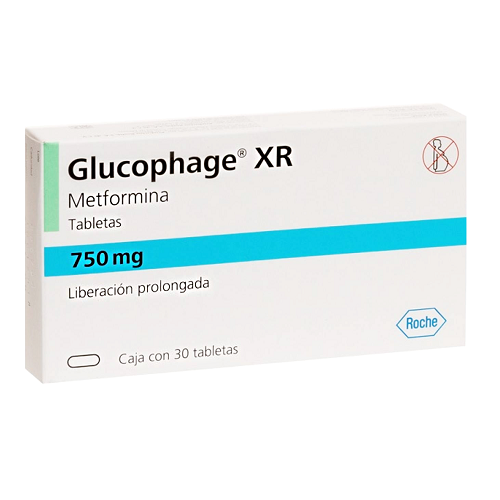
Can You Get Glucophage (Metformin) Without a Prescription in the United States?
No, Glucophage (Metformin) cannot be obtained legally in the United States without a valid prescription from a licensed healthcare provider. The U.S. Food and Drug Administration (FDA) classifies Metformin as a prescription-only medication. Purchasing it without a prescription is illegal and may expose you to serious health risks and counterfeit drugs.
Key Takeaways: Glucophage (Metformin) Use in the United States
- Active Ingredient: Metformin hydrochloride
- Indication: First-line therapy for Type 2 Diabetes Mellitus
- Prescription Status: Prescription required in the U.S.
- Onset of Action: Gradual; full effect typically reached within days to weeks
- Main Contraindication: Moderate to severe kidney impairment (eGFR < 30 mL/min/1.73m2)
- Insurance Coverage: Usually covered by most U.S. health plans, Medicare, and Medicaid
- Main Side Effects: Gastrointestinal upset (nausea, diarrhea), risk of lactic acidosis (rare but serious)
How Does Glucophage Work? (Mechanism of Action Explained)
| Pathway Impacted | Effect |
|---|---|
| Hepatic Gluconeogenesis | Decreases glucose production in the liver |
| Peripheral Insulin Sensitivity | Increases uptake of glucose by muscles and fat tissue |
| Intestinal Absorption of Glucose | Reduces absorption of glucose from the gut |
| Mitochondrial Respiratory Chain (Complex I) | Inhibits, leading to activation of AMP-activated protein kinase (AMPK) |
Glucophage’s main action is to lower blood sugar levels by reducing glucose production in your liver, making your muscles more sensitive to insulin, and decreasing sugar absorption from your intestines. At a cellular level, it inhibits a part of your cell’s energy machinery (the mitochondrial respiratory chain complex I), leading to activation of AMP-activated protein kinase (AMPK). This enzyme acts as your body’s “fuel sensor,” prompting your cells to burn more glucose and store less fat.
Simplified analogy: Think of Glucophage as a thermostat for your body’s sugar production—turning down the “heat” in your liver and helping your muscles use up excess sugar, without causing a sugar crash.
Myth vs Reality:
Myth: Metformin “makes” your pancreas produce more insulin.
Reality: Metformin mainly works without affecting insulin secretion. That’s why it doesn’t usually cause low blood sugar when used alone.
References: See studies in References for current clinical evidence on Metformin’s mechanism.
How Should You Take Glucophage? Dosage, Timing, and Adjustments
- Standard Starting Dose (Adults):
- Typically, 500 mg once or twice daily with meals. Your physician may gradually increase this up to a maximum of 2,000–2,500 mg per day, split into 2–3 doses to minimize gastrointestinal side effects.
- Extended-Release (ER) Formulations:
- Usually started at 500–1,000 mg once daily with the evening meal. Maximum daily dose: 2,000 mg.
- Peak Effect:
- Blood sugar improvement is usually noticed within several days, but maximum effect may take up to 2 weeks.
- Tablet Splitting:
- Immediate-release tablets may be split if scored. Extended-release tablets should never be split, crushed, or chewed.
- Adjustments for Elderly or Kidney Impairment:
- Dose should be adjusted or discontinued if estimated glomerular filtration rate (eGFR) falls below 45 mL/min/1.73 m2. Not recommended at all if eGFR is <30 mL/min/1.73 m2.
- Missed Dose:
- Take as soon as you remember unless it’s almost time for your next dose—then skip the missed dose. Never double up.
Bottom line: Follow your provider’s instructions. Never exceed the prescribed dose. Maximum safe daily dose: 2,500 mg (immediate-release), 2,000 mg (extended-release).
If you have questions about adjustments, especially with kidney or liver problems, consult your diabetes provider or pharmacist.
What Foods, Drinks, and Habits Affect Glucophage Therapy?
Yes. Taking Glucophage with meals reduces stomach upset and helps prevent nausea or diarrhea. High-fat meals may slightly delay absorption but do not reduce effectiveness.
Q: What about alcohol?Alcohol is not recommended while using Glucophage. Both can increase the risk of lactic acidosis, a rare but serious side effect. If you must drink, limit to 1 standard drink/day (women) or 2 (men) and avoid binge drinking. Excessive intake is not safe.
Q: Is grapefruit juice a problem?No significant interaction has been documented between grapefruit juice and Metformin. However, always check for interactions with other medications.
Q: Can I fast or follow a ketogenic diet on Glucophage?Extreme diets can increase the risk of low blood sugar, especially if you’re also taking insulin or sulfonylureas. Discuss any diet changes with your provider.
Q: Can I exercise?Yes! Regular exercise helps Metformin work more effectively. Just monitor for symptoms of low blood sugar if on combination therapy.
Quick Table: Glucophage Compatibility with Foods & Habits| Item | Compatible? | Notes |
|---|---|---|
| Fatty meals | Yes, but may delay effect | Take with meal to reduce GI upset |
| Alcohol | No / Limit strictly | Increases risk of lactic acidosis |
| Grapefruit juice | Yes | No known interaction |
| Fasting/Keto diets | With caution | Monitor blood sugar closely |
| Exercise | Yes | Beneficial; watch for hypoglycemia with other meds |
Who Should NOT Take Glucophage? (Absolute and Relative Contraindications)
Absolute Contraindications:
- Severe kidney impairment (eGFR <30 mL/min/1.73m2)
- Acute or chronic metabolic acidosis (including diabetic ketoacidosis, lactic acidosis)
- Known hypersensitivity or allergy to Metformin or excipients in the formulation
- Acute or severe illness (e.g., severe infection, shock, heart failure with hypoperfusion)
- Recent or planned iodinated contrast imaging (hold Metformin before and after the procedure)
Relative Contraindications/Caution Required:
- Moderate kidney impairment (eGFR 30–45 mL/min/1.73m2): Use lower doses and monitor kidney function more frequently.
- Liver disease or significant alcohol use: Increased risk of lactic acidosis.
- Older adults: Risk increases with age, especially over 80 years, if kidney function is not monitored.
- Pregnancy/Breastfeeding: Not first-line; discuss risks and benefits with your provider. Some U.S. protocols allow use in gestational diabetes under close supervision.
- Heart failure: Stable, compensated heart failure may allow Metformin use—decompensated cases are a red flag.
Why so strict? Glucophage can, in rare cases, cause lactic acidosis—a dangerous buildup of lactic acid in your blood—especially if your kidneys or liver aren’t working well.
What Side Effects Are Most Common with Glucophage?
- Nausea, vomiting
- Diarrhea
- Abdominal discomfort
- Loss of appetite
- Taste disturbance (metallic taste)
- Mild weight loss
- Flatulence
- Lactic acidosis (emergency—symptoms: deep rapid breathing, confusion, unusual muscle pain, stomach pain, feeling cold)
- Vitamin B12 deficiency (with long-term use)
- Skin rash or allergic reactions
Mechanism explained: The GI side effects are mainly due to Metformin’s action in the intestine and its influence on gut flora. Lactic acidosis is rare but serious, often triggered by kidney or liver impairment.
What to do if side effects occur? For mild stomach upset, try lowering the dose or switching to extended-release. If signs of lactic acidosis appear, seek emergency help immediately—call 911 in the United States.
How Does Glucophage Compare to Alternatives?
| Drug | Mechanism | Onset/Duration | Main Side Effects | Cost (per month, avg, USD)* | Pros/Cons |
|---|---|---|---|---|---|
| Glucophage (Metformin) | Reduces hepatic glucose output, increases insulin sensitivity | Full effect in 1–2 weeks, lasts 8–12 hrs (IR), 24 hrs (ER) | GI upset, rare lactic acidosis | $4–$15 (generic) | Weight-neutral or weight loss; low hypoglycemia risk |
| Sulfonylureas (e.g., glipizide) | Stimulates pancreatic insulin release | Fast onset, lasts up to 24 hrs | Weight gain, risk of hypoglycemia | $8–$30 | Effective, but more side effects |
| SGLT2 inhibitors (e.g., empagliflozin) | Increases urinary glucose excretion | Within days, lasts 24 hrs | Genital infections, dehydration | $400–$600 | Weight loss, heart/kidney benefit, expensive |
| GLP-1 agonists (e.g., semaglutide) | Increases insulin, decreases appetite | Within weeks, lasts 1–7 days | Nausea, injection site reactions | $850+ | Weight loss, CV benefit; costly, injectable |
*Prices are average U.S. retail as of 2026; insurance or discount programs may lower costs.
What it can do: Glucophage is effective, affordable, and usually well-tolerated as a first-line agent.
What it cannot do: It won’t work if your pancreas can’t make any insulin at all (e.g., advanced Type 2 or Type 1 diabetes). It also cannot replace lifestyle changes.
How to Get Glucophage Legally in the United States—Step by Step
- Schedule a Consultation: See a primary care provider, endocrinologist, or diabetes specialist. In most U.S. states, this can also be done via telemedicine.
- Assessment & Diagnosis: The provider will review your medical history, perform a physical exam, and order necessary blood tests (e.g., HbA1c, kidney function).
- Get a Prescription: If appropriate, your provider writes a prescription for Glucophage/Metformin (immediate-release or extended-release).
- Fill at a Licensed Pharmacy: Take your prescription to any licensed pharmacy in your state or use a reputable online/mail-order pharmacy that requires prescriptions. Look for .pharmacy certification.
- Insurance & Payment: Most insurance plans cover Metformin. Copays range from $0–$15/month with coverage.
- Follow-up: Regular monitoring of blood sugar and kidney/liver function is essential. Adjustments may be needed over time.
Myth vs Reality:
Myth: Online sites selling Metformin without a prescription are safe.
Reality: These are illegal in the U.S.; you risk counterfeit, expired, or contaminated drugs and possible legal action.
How Can You Spot a Counterfeit or Fake Glucophage?
Legal generics vs. counterfeits: In the U.S., generic Metformin is FDA-approved and held to the same safety standards as Glucophage. Counterfeits are unregulated copies, often disguised in fake packaging or sold by unlicensed sources.
Checklist: Authentic Glucophage or Metformin Should Have…- Manufacturer’s name (e.g., Merck for Glucophage, various for generics) and National Drug Code (NDC) number
- Lot number and expiry date
- Pharmacy label with your prescription details (if purchased legally)
- Blister packs or bottles with consistent printing and no spelling errors
- Tablets: White, round or oval, with imprint/engraving (e.g., “500” or manufacturer logo)
- Official packaging may have a QR code or hologram (check manufacturer site for details)
Red flags: Unusually low price, unmarked pills, packaging in a language other than English, missing or tampered labels, or pharmacies that don’t require a prescription.
What are generics?FDA-approved generics (e.g., from Teva, Sun Pharma, Mylan) are safe and equivalent to brand-name Glucophage in the United States. They may look slightly different in shape or color but must deliver the same amount of active ingredient. Inactive ingredients (excipients) can vary—rarely, people may react to these.
Bottom line: Always obtain your medication from a licensed pharmacy. If in doubt, ask your pharmacist to verify the product’s authenticity.
What Do You Do If You Overdose on Glucophage?
- Stop taking the medication immediately.
- Call emergency services (911) or go to the nearest Emergency Department.
- Provide details: amount taken, time of ingestion, and any symptoms (nausea, vomiting, rapid breathing, confusion, severe weakness).
- Bring the medication packaging with you if possible.
- Do NOT attempt to treat overdose at home.
Key risk: High doses can cause lactic acidosis—a life-threatening emergency that requires hospital care, often dialysis.
Frequently Asked Questions about Glucophage (Metformin) in the United States
- Is Glucophage the same as Metformin?
- Yes. Glucophage is a brand name for Metformin; most generics are labeled as Metformin hydrochloride.
- Is Glucophage safe for long-term use?
- For most people, yes. Regular monitoring of kidney function and vitamin B12 levels is advised for those on long-term therapy.
- Can I take Glucophage with other diabetes medications?
- Often, yes—Metformin is commonly combined with other oral agents or insulin. Your provider will determine safe combinations.
- What if I forget a dose?
- Take the missed dose as soon as possible unless it’s nearly time for your next dose. Never double doses.
- Can Glucophage cause weight loss?
- Some patients experience mild weight loss, especially if combined with a healthy lifestyle.
- Do I need to stop Glucophage before surgery or imaging?
- Yes, you may need to pause Glucophage before surgery or any imaging involving contrast dye—ask your provider for instructions.
- Why do I need a prescription in the U.S.?
- To ensure safe use and protect against dangerous side effects or counterfeit products. It’s also required by law.
- Does Metformin interact with blood pressure or cholesterol medications?
- Major interactions are uncommon, but always provide your medication list to your provider.
- Can Glucophage be used in pregnancy?
- Sometimes, for gestational diabetes—but only under close medical supervision.
Living with Type 2 Diabetes: You’re Not Alone
Managing Type 2 Diabetes is a journey millions of Americans share. If you feel overwhelmed, remember: support is available. Discuss your concerns with your healthcare provider, diabetes educator, or a counselor. It’s common to face emotional challenges—help is part of comprehensive diabetes care.
References
- U.S. Food & Drug Administration. “Glucophage (Metformin) Label Information.” FDA Drug Database. Accessed Jun 2026. https://www.accessdata.fda.gov/drugsatfda_docs/label/2024/020357s074lbl.pdf
- American Diabetes Association. “Standards of Medical Care in Diabetes—2026.” Diabetes Care, Jan 2026. https://diabetesjournals.org/care/article/49/Supplement_1/S1/154872/Standards-of-Care-in-Diabetes-2026
- Bailey, C.J., & Turner, R.C. “Metformin.” N Engl J Med, 1996; 334:574-579. https://www.nejm.org/doi/full/10.1056/NEJM199602293340906
- U.S. National Library of Medicine. “Metformin: MedlinePlus Drug Information.” Accessed Jun 2026. https://medlineplus.gov/druginfo/meds/a696005.html
- Nathan, D.M., et al. “Medical Management of Hyperglycemia in Type 2 Diabetes: Consensus Report.” Diabetes Care, 2024. https://care.diabetesjournals.org/content/47/2/297
- National Association of Boards of Pharmacy. “.Pharmacy Verified Websites.” Accessed Jun 2026. https://nabp.pharmacy/programs/dotpharmacy/
- U.S. Centers for Medicare & Medicaid Services. “Medicare Drug Coverage (Part D).” Accessed Jun 2026. https://www.medicare.gov/drug-coverage-part-d