
- Home/
- Buy Lasix in Online Pharmacy – Fast Shipping in United States
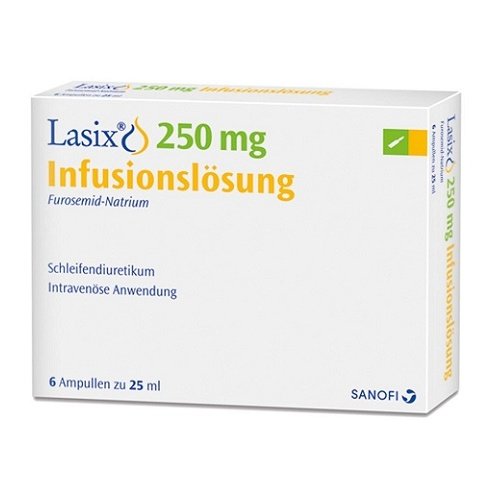
Can Lasix be Obtained Without a Prescription in the United States?
No, Lasix (Furosemide) is a prescription-only medication in the United States. It is illegal to purchase or obtain Lasix without a valid prescription issued by a licensed healthcare provider. This regulation protects your safety by ensuring proper diagnosis, dosing, and monitoring. Never attempt to buy Lasix from unverified online sources or without a prescription, as you risk counterfeit, unsafe, or ineffective products.
Key Facts About Lasix (Summary)
| Parameter | Details (2026, United States) |
|---|---|
| Active Ingredient | Furosemide |
| Primary Use | Treatment of edema (swelling) due to heart failure, liver, or kidney disorders; hypertension |
| Onset of Action | 30–60 minutes (oral); 5 minutes (IV) |
| Prescription Required? | Yes – always required in United States |
| Main Contraindication | Severe electrolyte depletion, anuria (no urine output), allergy to sulfa drugs |
| Common Side Effects | Increased urination, low potassium, dizziness |
| Legal Status | FDA-approved, prescription-only |
| Approximate Cost | $4–$20/month (generic); $20–$40/month (branded), U.S. pharmacies |
These facts are current as of 2026 and reflect the latest U.S. medical guidelines and regulations. Always consult your doctor for personalized advice.
How Does Lasix Work? The Science Behind Furosemide (Lasix)
Lasix’s active ingredient, furosemide, is a loop diuretic. It acts primarily on the Na+-K+-2Cl– cotransporter in the thick ascending limb of the loop of Henle within the kidney. By inhibiting this transporter, Lasix blocks reabsorption of sodium, potassium, and chloride from the urine back into the blood. This leads to increased excretion of these ions, followed by water, resulting in increased urine output (“diuresis”).
On a biochemical level, this action rapidly reduces blood volume and relieves fluid overload in conditions like heart failure, cirrhosis, and kidney disease. Lasix also lowers blood pressure by decreasing circulating blood volume.
Metaphor: Imagine your kidneys as a series of “filters”—Lasix opens the floodgates, letting more water and salts flow out, which helps “drain” excess fluid from swollen tissues and reduces high blood pressure.
- Note: Lasix works independently of dietary intake—its effect does not require specific triggers, but its potency can be influenced by kidney function and blood albumin levels.
Multiple recent studies confirm that furosemide remains highly effective for acute decompensated heart failure and chronic edema, though it should be dosed carefully to avoid rapid electrolyte shifts (FDA, PubMed).
Expert Commentary from doctor
In my years of clinical practice, I’ve observed that many patients underestimate how quickly Lasix can lead to dehydration and electrolyte imbalance, especially if they don’t stick to prescribed doses. A common misconception is that “more is better”—in fact, higher doses won’t provide extra benefit for most, but will increase risk of complications. I advise patients to monitor for signs of dizziness, muscle cramps, and confusion, reporting these promptly. Another issue: people often forget to have their labs checked regularly, missing low potassium or sodium. Never adjust your dose or frequency without talking to your provider—Lasix is powerful, but safe only when closely supervised.
How Should Lasix Be Taken? Dosing, Timing, and Duration
- Standard Starting Dose (Adults):
- 20–40 mg orally once daily; may be adjusted based on response. For IV use (e.g., in acute heart failure), 20–40 mg injected slowly.
- Maximum Daily Dose:
- 600 mg per day (rare, severe cases only; most patients require ≤80–160 mg/day). Never exceed doctor’s recommendation.
- When to Take:
- Typically in the morning to avoid nighttime urination; may be split into two doses for severe cases.
- Elderly Patients:
- Begin at lower doses due to increased risk of dehydration and orthostatic hypotension.
- Children:
- Dosing is weight-based (1–2 mg/kg/day), always under specialist supervision.
- Tablet Splitting:
- Most standard tablets can be split; check manufacturer label or ask your pharmacist to confirm.
- Missed Dose:
- Take as soon as remembered; skip if close to next scheduled dose—never double up.
- Duration of Effect:
- 6–8 hours per dose (oral); 2–4 hours (IV).
Peak effect generally occurs within 1–2 hours after oral administration. Always follow your doctor’s individualized plan, as needs can vary widely depending on underlying health conditions.
How Do Food, Alcohol, and Lifestyle Affect Lasix?
| Interaction | Impact | Advice |
|---|---|---|
| Food | Food delays absorption by 30–60 minutes but does not reduce overall effect. High-sodium meals can reduce efficacy. | Take with or without food; consistent timing preferred. Reduce salt intake for best results. |
| Alcohol | Increases risk of dizziness, dehydration, and sudden blood pressure drops. | Limit or avoid alcohol; if consumed, do so in moderation and monitor for adverse reactions. |
| Grapefruit Juice | No significant interaction reported with Lasix. | No special precautions with grapefruit juice, unlike with some other drugs. |
| Other Diuretics | Can cause additive diuretic effect and increased risk of electrolyte imbalance. | Never combine diuretics without explicit medical instruction. |
| Physical Activity | May increase risk of dehydration, especially in hot climates or with intense exercise. | Maintain adequate hydration and monitor symptoms during activity. |
Bottom line: While Lasix’s action is not significantly blunted by food, lifestyle choices like high salt intake and heavy drinking can worsen your condition. Discuss your routines with your doctor for tailored advice.
Who Should Not Take Lasix? Contraindications and Cautions
- Absolute Contraindications (Never Use):
-
- Anuria (complete lack of urine production)
- Severe electrolyte depletion (low potassium or sodium that is uncorrected)
- Allergy to furosemide or sulfonamide drugs
- Hepatic coma (advanced liver failure)
- Relative Contraindications (Use with Caution):
-
- Renal impairment (adjust dose; monitor closely)
- Gout (Lasix can increase uric acid, raising risk of attacks)
- Diabetes mellitus (can increase blood sugar)
- Pregnancy and breastfeeding (Lasix crosses placenta and enters breast milk; use only if benefits outweigh risks)
- Low blood pressure or dehydration
Key Explanation: Lasix’s powerful diuretic effect can lead to dangerously low electrolyte levels or exacerbate underlying kidney/liver problems. This is why it is never prescribed in certain severe conditions.
Always review your full medical history with your provider before starting Lasix. Individualized risk assessment is critical.
What Side Effects are Most Common with Lasix?
Very Common (>1 in 10 patients)
- Increased urination
- Low potassium (hypokalemia)—Can cause muscle cramps, arrhythmias
- Low sodium (hyponatremia)
- Dizziness or lightheadedness—Especially when standing up quickly
Common (1 in 100 to 1 in 10)
- Dehydration—Thirst, dry mouth, weakness
- Increased blood sugar (hyperglycemia)
- Increased uric acid (can trigger gout)
- Headache
- Hearing disturbances (especially with high IV doses)
Rare (1 in 1000 to 1 in 100)
- Allergic reactions—Rash, itching, rarely life-threatening reactions
- Pancreatitis
Very Rare (<1 in 10,000)
- Severe kidney dysfunction
- Ototoxicity (irreversible hearing loss)—Typically only with rapid IV administration or overdose
- Blood disorders (e.g., aplastic anemia, very rare)
What to Do if Side Effects Occur: Immediately report muscle cramps, irregular heartbeat, severe dizziness, or confusion to your doctor. For allergic symptoms (rash, swelling, breathing difficulty), seek emergency care.
Most minor side effects resolve with dose adjustment or supportive care, but severe reactions require immediate medical attention.
Common Patient Mistakes Observed by doctor
- Skipping blood tests: Many patients do not understand the importance of regular electrolyte and kidney function checks, leading to preventable complications. Solution: Schedule labs as recommended.
- Self-adjusting the dose: Increasing or decreasing the amount without consulting a provider can cause dehydration, kidney problems, or persistent edema. Solution: Always ask your doctor before making changes.
- Combining with NSAIDs (e.g., ibuprofen): This can blunt Lasix’s effect and worsen kidney function. Solution: Use acetaminophen for pain if needed, but always consult your doctor.
- Ignoring salt intake: Continuing a high-salt diet can make Lasix ineffective, leading to frustration and overuse. Solution: Follow a low-sodium diet per your care team’s advice.
- Taking too late in the day: This leads to frequent nighttime urination, disturbed sleep, and falls (especially in older adults). Solution: Take doses in the morning or early afternoon.
- Missing fluid restriction advice: Overdrinking to “replace” urine can worsen swelling. Solution: Clarify your fluid allowance with your provider.
Lasix vs. Alternatives: How Does It Compare?
| Medication | Onset (oral) | Duration | Common Use | Main Side Effects | Approx. Price/Month (USD, 2026) |
|---|---|---|---|---|---|
| Lasix (Furosemide) | 30–60 min | 6–8 h | Edema, hypertension | Electrolyte loss, dehydration | $4–$20 (generic); $20–$40 (brand) |
| Bumetanide | 30–60 min | 4–6 h | Edema (more potent per mg) | Electrolyte loss, risk of ototoxicity | $15–$50 |
| Hydrochlorothiazide | 2 hr | 12–18 h | Hypertension, mild edema | Low potassium, increased blood sugar | $8–$25 |
| Torsemide | 1 hr | 12 h | Edema, heart failure | Similar to Lasix, less variable absorption | $15–$45 |
Takeaway: Lasix acts quickly and is inexpensive as a generic. Bumetanide is more potent per milligram but short-acting. Hydrochlorothiazide is preferred for blood pressure but less effective for severe edema. Torsemide offers a longer duration and more predictable absorption, sometimes preferred in heart failure.
Questions Frequently Asked to doctor
- Can I take Lasix for swelling without knowing the cause?
- No. Edema can result from heart, liver, or kidney issues—or other causes. Taking Lasix without a diagnosis may mask symptoms and delay life-saving care.
- What should I do if I miss a dose?
- Take it as soon as you remember unless it’s close to your next scheduled time. Never double the dose. If unsure, contact your provider for guidance.
- Is it safe to take Lasix and potassium supplements together?
- Often, yes—but only if prescribed. Lasix frequently lowers potassium, so supplementation is common. Never start supplements without your provider’s direction, as excess potassium can also be dangerous.
- How long can I safely take Lasix?
- Some people use Lasix for years, but ongoing monitoring is essential. Your dose and need for the drug may change depending on your underlying condition and response.
- Can Lasix be taken with blood pressure medication?
- Yes, but your provider should coordinate therapy. Dose adjustments may be needed to prevent excessive drops in blood pressure or dehydration.
- Can I drink alcohol while using Lasix?
- Moderate alcohol may be tolerated, but it increases risk of low blood pressure and dizziness. Heavy use is discouraged. Always consult your healthcare provider.
- Do I need to stop Lasix before surgery?
- Sometimes. Inform your surgical team and anesthesiologist ahead of time. They will advise on temporary discontinuation to prevent electrolyte imbalances during surgery.
Key Characteristics of Lasix (Table)
| Parameter | Value |
|---|---|
| Active Ingredient | Furosemide |
| Drug Class | Loop diuretic |
| Usual Dose (adults) | 20–40 mg once to twice daily |
| Peak Effect (oral) | 1–2 hours |
| Duration of Action | 6–8 hours |
| Price (per 30 tabs, 40 mg) | $4–$20 (generic), $20–$40 (brand) |
| Prescription Required? | Yes (United States) |
| Common Indications | Edema, heart failure, hypertension |
| Notable Interactions | NSAIDs, lithium, aminoglycosides |
| FDA Approval | Yes |
How to Obtain Lasix Legally in the United States (Step-by-Step)
- Schedule a Medical Evaluation: See your primary care provider or a specialist (e.g., cardiologist, nephrologist). Telehealth or in-person visits are both acceptable, depending on your symptoms.
- Provide Detailed Medical History: Disclose all current medications, kidney/liver function, and any allergies.
- Get a Physical Exam and Lab Tests: Your doctor will confirm the need for Lasix based on labs (electrolytes, kidney function) and diagnosis.
- Receive a Prescription: If appropriate, your provider will write a prescription for Lasix, specifying the dose and frequency.
- Fill Your Prescription at a Licensed Pharmacy: Use a local or FDA-verified online pharmacy. Pharmacies may require ID and insurance information.
- Follow Up: Arrange regular follow-ups for lab monitoring and medication adjustment as needed.
Tip: Many U.S. insurance plans, including Medicare and Medicaid, cover the generic version of Lasix (Furosemide). If uninsured, ask your provider about discount programs or generic options.
Is it Legal to Buy Lasix Online in the United States?
It is only legal to buy Lasix from licensed U.S. pharmacies with a valid prescription. Some online pharmacies are legitimate, but they must be registered with the FDA or National Association of Boards of Pharmacy (NABP). Look for the VIPPS or “.pharmacy” seal. Sites offering Lasix without a prescription are illegal and pose high risks of counterfeit or unsafe products, legal consequences, and customs seizure.
- Patient Protection: Prescription requirements ensure your safety—not bureaucracy—by preventing dangerous misuse.
Myth vs. Reality: Myth: “Online pharmacies without prescriptions are just cheaper.” Reality: These sources often sell counterfeit or substandard drugs that can be harmful or even fatal.
How Can You Spot a Counterfeit Lasix Product?
- Packaging: Original Lasix comes in sealed blister packs or bottles labeled with manufacturer’s logo, batch number, and expiration date.
- Tablet Appearance: Genuine tablets are white, round, may have “Lasix” or dosage stamped on one side. Powder, crumbly, or off-color pills are suspect.
- Price Too Good to Be True: If the price is well below standard U.S. pharmacy prices, be wary—counterfeits often exploit deep discounts.
- Unusual Fonts or Misspelled Words: Packaging should be flawless, with correct English spelling and clear information.
- Missing QR Code or Hologram: Some manufacturers include security features on U.S. packaging; check for these if present.
- Source: Only purchase from licensed U.S. pharmacies—never from international sites or those without physical addresses.
What about generics? FDA-approved generics are safe and effective. Generics use the same active ingredient as the brand but may have different inactive ingredients (excipients). Always check with your pharmacist if you have allergies to excipients.
Quality Assurance: What Should the Real Lasix Look Like?
- Color: White, sometimes off-white, round tablet
- Engraving: “Lasix” or “Furosemide” plus strength marking (e.g., “40” or “20”)
- Packaging: Factory-sealed blisters or bottles, with manufacturer name, lot number, and expiration date
- Security Features: Many genuine U.S. packs have QR codes or holographic seals (2026 standard for many manufacturers)
- Label: FDA-required patient information and “Rx Only” statement
If in doubt, ask your pharmacist to check the product. Avoid medications with illegible printing, unusual smell, or loose powder in packaging.
How is Lasix Processed in the Body? Pharmacokinetics Explained Simply
After oral intake, Lasix is absorbed in the gut (bioavailability about 50%, but variable). It travels in the blood, largely bound to albumin, and is transported to the kidneys, its main site of action. Metabolism occurs partially in the liver, but most is excreted unchanged by the kidneys via urine. The half-life (time for blood levels to fall by half) is about 2 hours in healthy adults—can be prolonged in kidney or liver impairment.
Key implications: Kidney function dramatically affects how long Lasix remains active. Poor kidney function may require dose adjustments, while liver disease may slow clearance.
Does Lasix Affect Specific Patient Groups?
- Elderly: Greater risk of low blood pressure, falls, dehydration—use lower doses and monitor carefully.
- Children: Only under specialist care; weight-based dosing and close electrolyte monitoring are essential.
- Pregnancy: Category C—may harm fetus if used inappropriately. Use only if benefits outweigh risks.
- Breastfeeding: Enters breast milk—avoid unless directed by doctor.
- Kidney or Liver Disease: Dose adjustments required; increased risk of toxicity.
- Diabetes: May raise blood sugar—monitor glucose closely.
- Driving and Machinery: Dizziness or low blood pressure may impair ability to drive or operate machinery. Avoid such activities if you experience these effects.
No evidence that Lasix impairs fertility, but severe electrolyte disturbances can affect reproductive health or pregnancy outcomes.
Lasix Original vs. Generics: Which Should You Choose?
| Feature | Brand (Lasix) | Generic (Furosemide) |
|---|---|---|
| Active Ingredient | Furosemide | Furosemide |
| Inactive Ingredients (Excipients) | Brand-specific | May vary between manufacturers |
| Price (U.S. 2026) | $20–$40/month | $4–$20/month |
| Insurance Coverage | Often requires prior authorization | Widely covered by Medicare, Medicaid, and private insurance |
| Effectiveness | Identical (FDA-mandated bioequivalence) | Identical (FDA-mandated bioequivalence) |
| Allergy Risks | Low (well-characterized) | Check label for unique excipients if you have allergies |
Bottom line: U.S.-approved generics are just as effective and much cheaper. Choose generics unless you have a specific allergy to an excipient or your doctor prescribes otherwise.
Compatibility Check: Lasix with Other Medications
| Type of Product | Can It Be Combined? | Consequences |
|---|---|---|
| Aspirin (Low-dose) | Yes (with caution) | Monitor for kidney effects |
| NSAIDs (e.g., ibuprofen) | Not advised | Can reduce Lasix efficacy, worsen kidney function |
| ACE inhibitors | Yes (if prescribed) | Monitor for low blood pressure, kidney effects |
| Potassium supplements | Yes (if prescribed) | Prevents low potassium, but overdose risk if unsupervised |
| Lithium | NO | Can cause dangerous rise in lithium levels |
| Other diuretics | Only by specialist order | High risk of severe electrolyte shifts |
| Alcohol | Limit or avoid | Increases dehydration, low blood pressure risk |
Always inform your provider of all medications, supplements, and over-the-counter drugs you use.
What to Do in Case of Lasix Overdose?
- Stop taking Lasix immediately.
- Call emergency services (911) or seek immediate medical attention.
- Inform medical professionals of the exact dose and time taken.
- Bring medication packaging if available.
- Symptoms of overdose include: severe dehydration, confusion, fainting, irregular heartbeat, muscle weakness, or hearing loss.
- Do not attempt to self-treat or wait for symptoms to resolve—delayed care can be fatal.
Remember: Overdosing on Lasix can cause life-threatening electrolyte disturbances and kidney failure.
Living with Edema: Psychological and Emotional Support
Edema and heart or kidney conditions are very common and nothing to be ashamed of. Many patients feel anxious or frustrated about swelling, dietary restrictions, or medication routines. You are not alone—and with proper management, many people live full, active lives.
Advice: Share your concerns with friends, family, or a support group. Consider counseling if you feel overwhelmed. Open communication with your care team can improve both physical and emotional well-being.
What Should I Do if Lasix Doesn’t Work?
If you notice ongoing swelling, weight gain, or difficulty breathing despite taking Lasix as prescribed, contact your doctor immediately. Do not increase the dose on your own. Resistance can develop due to kidney adaptation, poor absorption, high salt intake, or progression of underlying disease. Your provider may adjust your regimen, recommend alternative diuretics, or address other medical issues.
In short: Lasix should improve symptoms within a few days. Lack of improvement is a reason to check in—not double your dose.
Professional Opinion of doctor
As an internist, my experience shows that Lasix is most beneficial for patients with symptomatic edema due to heart, liver, or significant kidney dysfunction—and for those with certain types of hypertension. The greatest benefit comes from its rapid relief of uncomfortable or dangerous fluid buildup. However, Lasix is not a cure; it addresses symptoms, not the underlying disease. Risks—especially dehydration, low potassium, and kidney injury—can outweigh benefits in frail or elderly patients, or those with unstable health. For many, alternatives like torsemide or non-loop diuretics may be preferable due to more predictable absorption or longer action. Ultimately, the decision to use Lasix must be individualized, with ongoing monitoring and clear communication between patient and provider. I strongly urge all patients: never self-medicate, and always ask questions if you feel unsure.
FAQ: People Also Ask About Lasix
- Is Lasix safe for long-term use?
- Yes, but requires regular lab monitoring and follow-up to prevent complications like low potassium or kidney problems.
- Can I buy Lasix without a prescription in the United States?
- No. It is illegal and unsafe to do so. Always get Lasix through a licensed healthcare provider and pharmacy.
- What foods should I avoid while taking Lasix?
- Limit salty foods, as they can reduce effectiveness. Maintain adequate but not excessive hydration. No specific foods are strictly forbidden, but balanced nutrition and potassium-rich foods are usually recommended.
- Does Lasix cause weight loss?
- It can cause rapid water weight loss by removing excess fluid, but it is not intended for weight loss and should never be used for this purpose.
- Can Lasix be used in pregnancy?
- Only if benefits outweigh risks and under close medical supervision. Lasix can affect fetal development.
- Is it safe to drink alcohol with Lasix?
- Alcohol increases risk of dehydration and low blood pressure. Limit or avoid alcohol—always check with your provider.
- What is the difference between Lasix and furosemide?
- Lasix is the brand name; furosemide is the generic name. They contain the same active ingredient and are equally effective.
- Does Lasix interact with blood pressure medicines?
- Yes—Lasix can enhance the effect of other blood pressure medications. Close monitoring is essential to prevent excessive drops in blood pressure.
References
- U.S. Food and Drug Administration (FDA). Lasix (furosemide) label and safety information. Accessed 2026. https://www.fda.gov/
- PubMed. Comparative efficacy and safety of loop diuretics in heart failure. Accessed 2026. https://pubmed.ncbi.nlm.nih.gov/
- Mayo Clinic. Furosemide (Oral Route) Side Effects. Accessed 2026. https://www.mayoclinic.org/
- National Institutes of Health. DailyMed: Lasix prescribing information. Accessed 2026. https://dailymed.nlm.nih.gov/
- National Association of Boards of Pharmacy (NABP). Safe Online Pharmacies. Accessed 2026. https://nabp.pharmacy/
- American Heart Association. Heart Failure Treatment Guidelines. Accessed 2026. https://www.heart.org/
- American College of Cardiology. Clinical Guidelines for Diuretic Therapy. Accessed 2026. https://www.acc.org/
- ClinicalTrials.gov. Furosemide in Acute Decompensated Heart Failure: Outcomes Study. Accessed 2026. https://clinicaltrials.gov/