
- Home/
- Buy Zithromax Online in the United States – Fast and Easy Ordering
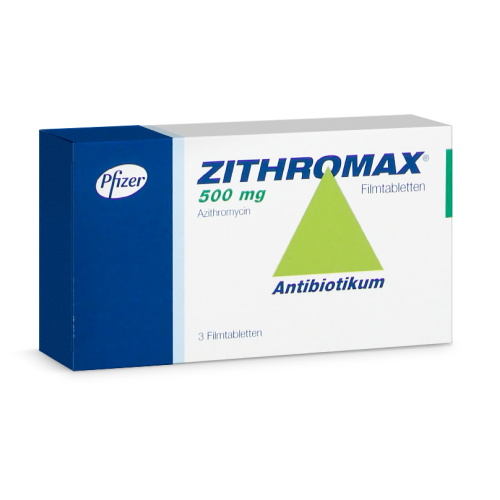
| Name of Medication | Zithromax |
|---|---|
| Main Compound | Azithromycin |
| Medical Purpose | Prescription antibiotic for bacterial infections |
| Strength Levels Offered | 250 mg, 500 mg tablets; oral suspension 100 mg/5 mL, 200 mg/5 mL |
| Starts to Work Within | 24–48 hours of first dose |
| Typical Duration of Effect | 24 hours per dose; full course usually 3–5 days |
| How to Take | Once daily, with or without food |
| Legal Status | Prescription required in United States |
| Usual Cost Range | $15–$70 (varies by dose, form, and pharmacy) |
Zithromax: making sense of your options in the United States
Zithromax, containing the active ingredient Azithromycin, is a widely used antibiotic for treating a variety of bacterial infections. It is approved and regulated in the United States and is available by prescription through licensed pharmacies. Whether it’s for a sinus infection, bronchitis, or another bacterial illness, it is a trusted option within the U.S. healthcare system.
How common—and treatable—are bacterial infections in the United States?
Bacterial infections such as respiratory tract infections, sinusitis, and skin infections affect millions of people in the United States each year. According to the Centers for Disease Control and Prevention (CDC), about 250 million courses of antibiotics are prescribed annually in outpatient settings in the U.S. (CDC, 2022). This high number reflects how common these infections are, but also underscores that effective treatments are available. Zithromax is one of several medications approved by the U.S. Food and Drug Administration (FDA) for the management of many of these conditions. Knowing this, you can be assured that the problem you’re facing is neither rare nor untreatable—and that reliable solutions exist.
How Zithromax works against bacterial infections—and what that means for you
Zithromax (Azithromycin) acts by interfering with the bacteria’s ability to make proteins that are essential for their survival. In practical terms, this means Zithromax stops the bacteria from multiplying and allows your body’s immune system to clear the infection more effectively. Patients usually start to notice symptom improvement within 24–48 hours of starting the medication, though it is important to complete the prescribed course to ensure full eradication of the bacteria and to prevent resistance.
- Mechanism: Halts bacterial protein synthesis, stopping bacterial growth.
- What you feel: Reduced fever, pain, or drainage; improved breathing or skin appearance, depending on the infection’s site.
- Why full course matters: Stopping early risks recurrence or resistance, even if you feel better.
Do I fit the profile for Zithromax? Choosing the right antibiotic for your situation
| Your Situation | Is Zithromax Right? | Why or Why Not? |
|---|---|---|
| You have symptoms of a respiratory tract infection (e.g., bronchitis, sinusitis), and your doctor suspects a bacterial cause. | Yes | Zithromax is effective against common bacteria that cause these illnesses, and its short course is often preferred. |
| You have a known allergy to macrolide antibiotics (e.g., erythromycin, clarithromycin). | No | Risk of allergic reaction; an alternative class should be chosen. |
| Your infection is caused by a virus (e.g., common cold, influenza). | No | Antibiotics like Zithromax do not treat viral infections and are not appropriate in this case. |
| You need an option for a sexually transmitted infection such as chlamydia. | Yes, in some cases | Zithromax is a recommended treatment for specific STIs; your provider will confirm suitability. |
| You have severe liver disease or certain heart rhythm disorders. | No | Azithromycin can worsen liver or heart problems; another antibiotic may be safer. |
| You need a broad-spectrum antibiotic with a short, convenient dosing schedule. | Yes | Its once-daily dosing and brief course are often simpler than other options. |
It is critical to confirm with your healthcare provider that your specific infection is best treated with Zithromax, as misuse can lead to resistance or ineffective therapy. In some cases, laboratory testing or a medical exam is necessary to determine the appropriate choice.
Taking Zithromax: what to expect, what to avoid, and what to do if things don’t go as planned
- When to take: Zithromax can be taken with or without food. If it upsets your stomach, taking it with food may help.
- How to take: Swallow tablets whole with a glass of water. For the suspension, shake well and measure with an accurate device.
- If you miss a dose: Take it as soon as you remember. If it is almost time for your next dose, skip the missed dose—never double up.
- When it starts working: Most people see improvement within 1–2 days, but it’s essential to finish the full course, even if you feel better.
- What if it doesn’t work: If symptoms worsen or don’t improve after 3 days, consult your doctor. Some bacteria may be resistant, or another condition could be present.
- What is normal: Mild stomach upset, diarrhea, or headache may occur and typically resolve on their own.
- What requires attention: Severe diarrhea, persistent vomiting, yellowing of eyes/skin, or rash. These may signal an adverse reaction and you should contact your healthcare provider.
If you have trouble swallowing tablets, ask your pharmacist about the liquid suspension. Do not share your medication or use leftover antibiotics for future illnesses—this increases the risk of ineffective treatment and antibiotic resistance.
Who should not take Zithromax? Contraindications explained
Some people should avoid Zithromax due to specific risks:
- History of allergic reaction to Azithromycin or related antibiotics: Because severe allergic reactions, including anaphylaxis and skin reactions, can occur.
- Severe liver impairment: The medication is processed by the liver; compromised function can lead to toxicity.
- Certain heart rhythm conditions (e.g., QT prolongation): Zithromax can worsen these and rarely trigger serious arrhythmias.
- Use in infants under 6 months (for oral suspension): Safety data is limited for very young infants; alternative therapies are preferred.
If you are unsure whether any of these apply to you, discuss your full medical history with your provider. In the United States, your prescriber will typically review these factors before issuing a prescription.
What side effects could occur—and when do they matter?
Most patients tolerate Zithromax well, but side effects can occur. Here is what to expect and what to do:
- Common and usually mild: Nausea, mild diarrhea, abdominal discomfort, headache. These are temporary and generally resolve on their own.
- Less common but important: Severe diarrhea (may indicate a C. difficile infection); yellowing of skin/eyes (possible liver injury); palpitations.
- Rare but serious (emergency): Difficulty breathing, swelling of face or throat, severe rash/blisters—these may be signs of a severe allergic reaction. If any of these occur, call 911 (Emergency Medical Services, United States) immediately.
If you experience persistent or severe symptoms, seek medical advice. For mild issues, monitoring at home is usually sufficient.
Is Zithromax safe with my other medications? What about herbal or over-the-counter products?
Zithromax may interact with other substances, affecting its safety or effectiveness. Notably:
- Medications that affect heart rhythm (e.g., certain antiarrhythmics, antipsychotics): May increase the risk of serious cardiac events.
- Antacids containing aluminum or magnesium: Can reduce absorption of Zithromax; space doses at least 2 hours apart.
- Blood thinners (e.g., warfarin): Zithromax can alter their effect; your doctor may monitor your blood more closely.
- Herbal supplements: While there are no well-known direct interactions, always inform your provider about all supplements you take.
Always provide your healthcare provider with a full list of all medications and supplements to avoid unexpected interactions. If you start or stop any medicine while on Zithromax, notify your doctor.
How does Zithromax compare to other antibiotics and alternatives?
| Antibiotic | Dosing Schedule | Common Uses | Advantages | Limitations |
|---|---|---|---|---|
| Zithromax (Azithromycin) | Once daily, 3–5 days | Respiratory, skin, some STIs | Short, simple course; fewer doses; broad spectrum | Not effective for all bacteria; resistance increasing in some regions |
| Amoxicillin | 2–3 times daily, 7–10 days | Respiratory, ear, urinary infections | High efficacy for many standard infections | Longer course; more frequent dosing; not suitable for penicillin-allergic patients |
| Doxycycline | 1–2 times daily, 7–10 days | Respiratory, skin, some tick-borne illnesses | Different mechanism; useful for resistant strains | Can cause sun sensitivity; not for children under 8 or pregnant individuals |
| Levofloxacin | Once daily, 5–7 days | Complicated urinary, some respiratory infections | Effective for complicated cases | Possible tendon, nerve, and mental health side effects; reserved for select cases |
Zithromax is often chosen for its convenience and broad range of action, especially when a short, easy-to-complete course is desirable. However, for certain infections, another antibiotic may be preferred based on local resistance patterns, allergy history, or infection location. Your healthcare provider’s decision is guided by these factors and laboratory data when available.
Buying Zithromax in the United States: cost, prescription, and practical details
| Expense Type | Estimated Cost (USD) | Context |
|---|---|---|
| Physician consultation (in-person or telehealth) | $75–$250 | Required for prescription; telemedicine may be less expensive |
| Prescription fee | $0–$25 | Some clinics include this in the consultation fee |
| Zithromax medication | $15–$70 | Varies by dosage, form, and pharmacy |
| Delivery (if using mail-order pharmacy) | $0–$15 | Standard or expedited shipping |
| Total | $90–$360 | Minimum to maximum scenario (with/without delivery, in-person vs telemedicine) |
In the United States, Zithromax is legally available only with a valid prescription. While some online services may offer to ship without a prescription, this practice is not in line with FDA regulations and carries risks of counterfeit or substandard medication. The FDA and state boards of pharmacy oversee the safety and legality of medication distribution. Most insurance plans will cover at least part of the cost, but out-of-pocket prices are as listed above.
After your healthcare provider issues a prescription, you can fill it at a local pharmacy, order from reputable online/mail-order pharmacies, or in some cases, have it shipped to your home. Always verify the pharmacy is licensed in the U.S. and check for accreditation (such as the NABP’s VIPPS program).
What if I still have questions or special circumstances?
For questions specific to your health—such as dosing adjustments for kidney or liver disease, use during pregnancy or breastfeeding, or unique allergies—it’s vital to speak directly with your healthcare provider. Zithromax is generally considered safe for many people, but your overall health situation may require a different approach or extra monitoring. If you are unsure about any step of the process, your provider or pharmacist is your best resource for accurate, personalized advice.