
- Home/
- Buy Seroquel Without Prescription Online in the United States
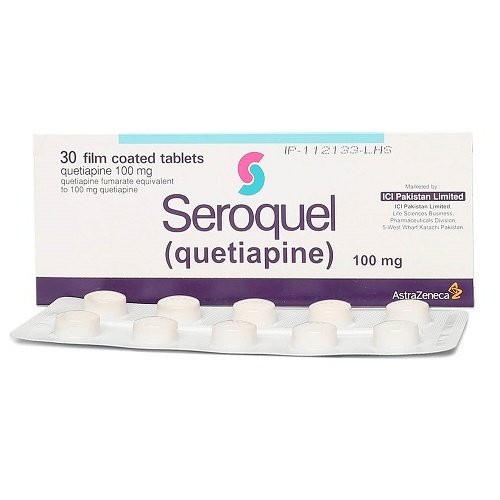
| Medicine Name | Seroquel |
|---|---|
| Main Substance | Quetiapine |
| Area of Use | Mental Health (schizophrenia, bipolar disorder, major depressive disorder adjunct) |
| Strength Variations | 25 mg, 50 mg, 100 mg, 200 mg, 300 mg, 400 mg tablets |
| How Soon It Works | Initial effects within 1–2 hours; full therapeutic benefit can take days to weeks |
| How Long Its Effects Last | Approximately 6–12 hours depending on formulation |
| Daily Use or As Needed? | Designed for daily, scheduled intake |
| Food and Seroquel | Can be taken with or without food; consistency is preferred |
| Prescription in the U.S.? | Yes, Seroquel requires a valid prescription as per FDA regulation |
Seroquel: Guidance for Mental Health Treatment in the United States
Seroquel is a prescription medication containing the active ingredient quetiapine, used in the management of several mental health conditions. Approved for use in the United States, it is prescribed under medical supervision for disorders such as schizophrenia, bipolar disorder, and as an adjunct for major depressive disorder. In the sections that follow, you will find a complete pathway from understanding your mental health challenges to actionable steps for obtaining and using Seroquel safely and effectively.
When Mental Health Challenges Feel Overwhelming
Mental health concerns—such as changes in mood, thinking, or perception—touch millions of lives in the United States. According to the National Institute of Mental Health (NIMH), in 2021, nearly one in five adults in the U.S. experienced some form of mental illness. Schizophrenia affects approximately 1% of the population, while bipolar disorder impacts an estimated 2.8% of adults (NIMH, 2021). These conditions are not rare, and effective treatments are available. Recognizing that you are not alone is the first step toward meaningful change—treatment options like Seroquel exist to help restore stability and function.
How Seroquel Acts on the Mind and Body
Quetiapine, the principal molecule in Seroquel, works by adjusting the balance of specific neurotransmitters—namely dopamine and serotonin—in the brain. These substances act as chemical messengers and, when disrupted, can lead to symptoms like hallucinations, extreme mood swings, or persistent depression.
- Dopamine adjustment: By blocking dopamine receptors, quetiapine helps reduce symptoms such as delusions or agitation seen in psychosis.
- Serotonin modulation: It also affects serotonin pathways, which plays a role in mood stabilization and reducing anxiety.
- Practical result: Most people begin to notice a calming of severe symptoms within a few hours after a dose, but the full effects—especially on mood or persistent thought disturbances—may take several days to weeks to reach their maximum benefit.
For the patient, this means initial relief from distressing symptoms can be expected relatively soon, with ongoing improvements as treatment continues. However, these changes are gradual, and it’s essential to maintain regular dosing to achieve the best outcome.
Who Seroquel Is and Isn’t For: Matching Medication to Real-Life Scenarios
| Situation | Recommended Option | Why |
|---|---|---|
| You have been diagnosed with schizophrenia or bipolar I disorder with severe mood swings. | Seroquel is typically recommended. | Its efficacy in stabilizing mood and reducing psychotic symptoms is well established for these diagnoses. |
| You have major depressive disorder that has not improved with standard antidepressants. | Seroquel as an adjunct may be appropriate. | It is FDA-approved for use alongside antidepressants in treatment-resistant depression. |
| Your primary concern is insomnia without other mental health diagnoses. | Seroquel is generally NOT recommended. | Because of its side effect profile and risk of metabolic changes, other sleep aids are safer for isolated insomnia. |
| You have a history of severe cardiac arrhythmias. | Alternative medications may be safer. | Seroquel can prolong QT interval, increasing cardiac risk in susceptible individuals. |
| You are elderly with dementia-related psychosis. | Seroquel use is discouraged. | FDA warnings note an increased risk of death in this population with antipsychotic use. |
These scenarios reflect common situations faced in U.S. clinical practice. The final decision should always be guided by a healthcare provider, taking into account your full medical history.
Everyday Use: Practical Guidance and What to Expect
- Timing: Seroquel is usually taken once or twice daily. Extended-release forms are typically dosed in the evening to minimize daytime drowsiness.
- With or without food: Either is acceptable, but pick one routine and stick to it; this maintains stable drug levels.
- If you forget a dose: Take it as soon as you remember, unless it’s almost time for your next dose—then skip the missed one. Never double up.
- If you feel no improvement: Full benefits can take several weeks. If symptoms persist or worsen, consult your doctor; do not adjust the dose on your own.
- Stopping treatment: Do not abruptly discontinue Seroquel—sudden stoppage can cause withdrawal symptoms or relapse. Tapering is managed by your physician.
- Alcohol and Seroquel: Combining with alcohol can increase drowsiness and risk of side effects. It is best to avoid alcohol while taking this medication.
- Driving and machinery: Until you know how Seroquel affects you, exercise caution—drowsiness is common, especially when starting or increasing the dose.
If unusual symptoms occur or you are unsure about a reaction, contacting your prescriber is the safest course.
Who Should Not Take Seroquel? (Contraindications Explained)
- Known allergy to quetiapine or any component of Seroquel: Because severe allergic reactions, including rash, swelling, or difficulty breathing, can occur.
- History of certain heart problems: Seroquel can alter heart rhythm (QT interval), raising risk in those with arrhythmias or on other QT-prolonging medications.
- Active liver disease: Quetiapine is metabolized in the liver; impairment can lead to dangerous drug accumulation.
- Pediatric use: Not approved for children under 10, and specific indications apply for adolescents due to safety concerns.
- Dementia-related psychosis in elderly: Increased risk of stroke and death as per FDA black box warning.
Your doctor will screen for these risks before prescribing. Always tell your healthcare provider about your full medical history and any other medications you are taking.
Side Effects: What to Expect and When to Seek Help
- Common, usually mild: Drowsiness, dry mouth, constipation, lightheadedness, weight gain. These effects often lessen over time or with dose adjustment.
- Less common, may require attention: Restlessness (akathisia), increased blood sugar, lipid changes, low blood pressure upon standing.
- Rare but serious (seek urgent help): Severe muscle stiffness, confusion, high fever (could indicate neuroleptic malignant syndrome); irregular heartbeat, signs of severe allergic reaction (swelling, hives, difficulty breathing). If you experience these, call 911 or the Poison Control Center at 1-800-222-1222 immediately.
Most people tolerate Seroquel well, but close monitoring during initiation and dose changes is essential. If in doubt, err on the side of caution and contact your healthcare provider.
Drug and Food Interactions: What Should Not Be Combined
Seroquel interacts with several other substances. Taking it with strong CYP3A4 inhibitors (such as ketoconazole, certain antibiotics) can increase drug levels and side effect risk. Likewise, combining with other central nervous system depressants (like opioids, sleep medications) can intensify drowsiness or impair breathing. Grapefruit and grapefruit juice should be avoided, as they can interfere with medication metabolism.
If you are prescribed new medications or supplements, always check with your pharmacist or doctor for compatibility with Seroquel. This helps prevent unexpected reactions and ensures ongoing safety.
Seroquel Compared: Alternatives and When to Consider Them
| Medication | Main Use | Strengths | Limitations |
|---|---|---|---|
| Seroquel (Quetiapine) | Schizophrenia, bipolar disorder, depression adjunct | Flexible dosing, sedation helpful if agitation or insomnia present, lower risk of movement disorder than some antipsychotics | Weight gain, metabolic effects, drowsiness |
| Risperidone | Schizophrenia, bipolar disorder, irritability in autism | Lower risk of sedation, good for acute agitation | Higher risk of movement disorders, prolactin increase |
| Olanzapine | Schizophrenia, bipolar disorder | Strong efficacy for mood symptoms | Significant weight gain, diabetes risk |
| Aripiprazole | Schizophrenia, bipolar disorder, depression adjunct | Less sedation, fewer metabolic side effects | Can cause restlessness, less effective for severe psychosis in some cases |
Seroquel is often preferred when sedation is beneficial or a patient has not tolerated other antipsychotics. However, if weight gain or drowsiness is a concern, alternatives like aripiprazole may be considered. Choosing the right treatment is a balance between symptom control and side effect risk—this is best decided collaboratively with your provider.
Buying Seroquel in the United States: Process, Price, and What You Actually Pay
In the U.S., Seroquel is a prescription medication regulated by the Food and Drug Administration (FDA). It is available at local pharmacies with a doctor’s prescription, by mail order through pharmacy services, and sometimes via telemedicine consultations that include prescription services and home delivery. Online pharmacies advertising “no prescription needed” are not legal under U.S. law, but in practice, some international sites offer access—this comes with regulatory and safety risks.
| Cost item | Amount | Note |
|---|---|---|
| Doctor or telemedicine visit | $80–$250 | In-person or online evaluation; telemedicine is often at the lower end |
| Prescription processing | $0–$20 | Sometimes included in consultation fee |
| Seroquel (generic quetiapine), 30 tablets (100mg) | $15–$80 | Varies widely by pharmacy, insurance, and location |
| Brand Seroquel, 30 tablets (100mg) | $300–$600 | Brand pricing is substantially higher than generic |
| Delivery (mail order or online) | $0–$25 | Typically free with insurance or for large orders |
| Total cost (minimum to maximum) | $95–$895 | Minimum: generic via telemedicine; Maximum: brand name, in-person, full delivery |
Insurance can dramatically reduce your out-of-pocket costs. Most generic quetiapine prescriptions are affordable, especially with pharmacy discount programs or coupons. Online purchases should only be made from U.S.-licensed pharmacies; check for “VIPPS” certification or ask your doctor/pharmacist for guidance.
Final Questions: What if I Am Still Unsure or My Situation Changes?
It’s common to feel hesitant—even after learning about Seroquel and its role in mental health treatment. If your diagnosis is unclear, symptoms worsen, or new medical conditions arise, reach out to your healthcare provider for a reassessment. Adjusting mental health medications is a process that can be safely managed with professional oversight. If you have questions about drug shortages, insurance coverage, or switching between brand and generic, your pharmacist is a valuable resource for up-to-date, practical advice based on your specific situation.