
- Home/
- Buy Clomid Online in the United States – Fast and Secure Ordering
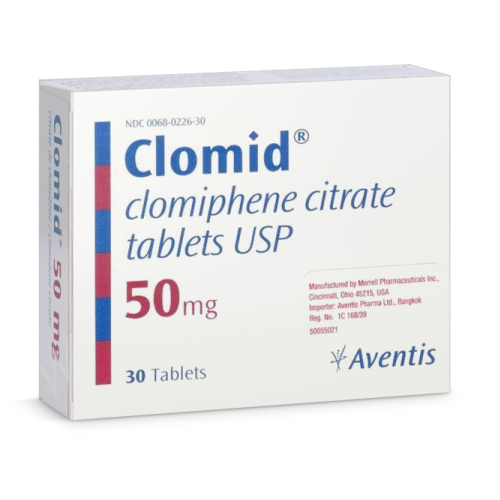
Quick Answer: Clomid is a prescription medication (active ingredient: clomiphene) used in the United States to help women with certain types of infertility ovulate and increase their chances of pregnancy. For many, it’s the first treatment offered when cycles are irregular or ovulation isn’t happening at all. But the single most important thing to know before starting? Clomid can kickstart ovulation, but it doesn’t address every cause of infertility—and its benefits and limitations depend on your unique situation.
Why Clomid? Understanding Who Actually Benefits
The first fertility drug that comes up in most search results isn’t always the one that ends up in your medicine cabinet. But Clomid remains the frontline choice for many women in the United States struggling with ovulation-related infertility. The reason is straightforward: for women who aren’t ovulating regularly, especially those with polycystic ovary syndrome (PCOS) or unexplained anovulation, Clomid offers a potent, well-studied, and relatively affordable way to stimulate the ovaries without moving straight to invasive options.
This medication isn’t a magic bullet for every woman hoping to conceive. If you’re already ovulating on your own, Clomid is unlikely to improve your chances of pregnancy. If other causes—blocked tubes, severe male factor infertility, diminished ovarian reserve—are at play, the odds shift. For the right candidate, though, Clomid’s benefit is clear: induce ovulation, time intercourse or intrauterine insemination, and see if nature can do the rest before moving to more aggressive (and expensive) interventions.
Patients sometimes expect that “fertility pills” will guarantee pregnancy. In reality, Clomid is about evening the odds if irregular ovulation is holding you back. It opens the door, but most pregnancies still depend on well-timed ovulation, healthy eggs, and clear fallopian tubes. Understanding that difference shapes expectations and helps avoid disappointment when results aren’t instant.
What Clomid Does—And What It Doesn’t
Clomid (clomiphene) acts as a selective estrogen receptor modulator. It fools your body into thinking estrogen levels are lower than they are, which triggers the pituitary gland to ramp up production of follicle-stimulating hormone (FSH) and luteinizing hormone (LH). Those hormones, in turn, coax your ovaries to mature and release an egg. In women with sluggish or absent ovulation, this can be enough to restart natural cycles and allow conception.
But there’s nuance here. Clomiphene does not “fix” every type of infertility. It cannot open blocked tubes, overcome low egg quality, or address severe sperm issues. Its power is in restoring ovulation—and only in women whose ovaries are capable of responding. Unlike injectable gonadotropins, which deliver FSH directly, clomiphene works by stimulating your own pituitary. That means it’s less intense, less risky, and less likely to result in twins or triplets (though that risk is still real).
Definition Block: Ovulation Induction
- Ovulation Induction
- The process of using medication (like Clomid) to stimulate the ovaries to release an egg. Used when women are not ovulating regularly or at all.
There are other medications used for ovulation induction—letrozole, injectable gonadotropins—but each comes with its own trade-offs. Clomid’s edge is its oral form, relatively low side effect burden, and long track record. Letrozole, another oral agent, is increasingly used, especially for women with PCOS, thanks to some studies suggesting higher pregnancy rates and fewer anti-estrogenic effects on the uterine lining. For many doctors in the U.S., the practical difference often comes down to local practice patterns, insurance coverage, and individual response.
Clomid Results: Hopes, Realities, and What’s Reasonable to Expect
Many women hear about Clomid and picture a simple path: take the pill, get pregnant within a month or two, move on. The reality is usually more complicated. The numbers tell the story—about 70-85% of women with ovulatory dysfunction will ovulate on Clomid, but only 15-20% per cycle become pregnant. Over several cycles, cumulative pregnancy rates climb, but not every patient will have success.
Clomid’s main limitation is this: it addresses ovulation, but not egg quality, sperm issues, or uterine factors. Sometimes cycles become regular and ovulation occurs, but pregnancy doesn’t follow. In those cases, further testing is called for. Most reproductive endocrinologists will want to know that fallopian tubes are open and that male factor is not a barrier before committing to multiple rounds of Clomid.
Section Summary
- Clomid can restore ovulation in a majority of women with irregular or absent cycles, but its impact on pregnancy rates is more modest.
- Realistic expectations—one in five conceive in the first cycle, up to 40-50% over three to six cycles.
- When Clomid works, it typically does so within the first few months. Beyond six cycles, benefit drops off sharply.
- Further testing may be needed if pregnancy doesn’t occur even with regular ovulation.
Which Side Effects Matter Most with Clomid—and When to Act
Some women breeze through Clomid with barely a symptom. Others find themselves battling hot flashes, mood swings, or headaches that feel oddly out of step with an oral medication. The range is wide. Most effects are temporary and resolve when the medication is stopped, but a few require you to pick up the phone and call your doctor.
Clomid’s side effect pattern is tied to its anti-estrogenic activity. Hot flashes are the most common (up to 1 in 3 women). Mood changes and irritability follow. Some women experience breast tenderness, pelvic fullness, or visual disturbances. Short-term ovarian cysts occasionally develop, usually resolving on their own. Rarely, ovarian hyperstimulation syndrome (OHSS) can occur, though this is much less common with Clomid than with injectable fertility drugs.
- Hot flashes: Uncomfortable but rarely dangerous. If they are severe or disruptive, let your doctor know.
- Vision changes (blurring, spots, flashes): Stop Clomid and contact your doctor immediately. This is a rare but important warning sign.
- Pelvic pain or bloating: Mild discomfort is common. Severe, sudden, or worsening pain requires prompt medical evaluation.
- Mood swings: Can be distressing, especially for those with a history of mood disorder. Track changes and discuss with your provider.
- Nausea, headaches: Usually mild and resolve after stopping the medication.
| Side Effect | Frequency | When to Contact a Doctor |
|---|---|---|
| Hot flashes | Common (10–30%) | If severe or interfering with daily life |
| Mood swings / irritability | Common (up to 25%) | If persistent, severe, or history of mood disorders |
| Visual changes | Rare (<2%) | Stop medication and call your doctor immediately |
| Pelvic pain / ovarian cyst | Occasional (5–10%) | If severe, sudden, or worsening pain |
| Nausea, headache | Occasional (~5–10%) | If severe or persistent |
| Ovarian hyperstimulation syndrome (OHSS) | Rare (<1%) | If severe bloating, rapid weight gain, shortness of breath |
Most women tolerate Clomid well, but if you experience vision problems, severe pain, or symptoms that rapidly worsen, stop taking the medication and contact your doctor. Doctors know these risks and have protocols for rapid assessment and management. Don’t wait for a side effect to “settle” if it feels out of proportion or unfamiliar.
Clomid vs. Other Fertility Medications: How Does It Stack Up?
| Attribute | Clomid (Clomiphene) | Letrozole | Gonadotropins (Injectable) |
|---|---|---|---|
| Formulation | Oral tablet | Oral tablet | Injection |
| FDA-approved indication | Ovulatory dysfunction | Off-label for ovulation induction | Ovulatory dysfunction; IVF/IUI protocols |
| Typical starting dose | 50 mg/day x 5 days | 2.5–7.5 mg/day x 5 days | Varies by protocol |
| Effectiveness (PCOS) | 60–80% ovulation, 15–20% pregnancy/cycle | Similar or slightly higher pregnancy rates per some studies | Higher ovulation rates; higher cost and risk |
| Multiple birth risk | ~7–10% twins | <5% twins | 10–30% twins, higher-order multiples possible |
| Common side effects | Hot flashes, mood swings, visual disturbance (rare) | Fatigue, headache, less effect on uterine lining | Bloating, injection site pain, OHSS risk |
| Cost (U.S.) | Low (often $15–80/cycle) | Low–moderate (similar range) | High (hundreds–thousands/cycle) |
| Prescription status | Prescription only | Prescription only | Prescription only |
| Insurance coverage (U.S.) | Sometimes covered | Sometimes covered; off-label for infertility | Variable; often covered for IVF/IUI |
Clomid’s primary advantage remains its oral dosing, low cost, and long safety record. Letrozole is gaining ground as an alternative, especially for PCOS, due to some evidence of higher pregnancy rates and fewer anti-estrogenic effects. Gonadotropins are more powerful, but come with higher cost, more monitoring, and greater risk of multiples. For most women with ovulation problems, Clomid is still the first step—letrozole is sometimes chosen if Clomid fails or if the side effect profile is not tolerated. Injectable options are reserved for those who don’t respond, or who need assisted reproductive technologies.
How to Take Clomid in Real Life: Tips, Pitfalls, and Adjustments
Most patients start Clomid with a plan: take a pill for five days, watch for ovulation, time intercourse, repeat. But the lived experience is rarely so tidy. Real-world use requires flexibility, attention to your cycle, and communication with your healthcare team. In the U.S., Clomid is prescribed only by licensed healthcare providers, and pharmacies carry both brand and generic versions. Insurance may or may not cover it, depending on your plan and state regulations.
Clomid Dosage: How It’s Typically Prescribed
| Indication | Starting Dose | Duration | Maximum Dose | Adjustments |
|---|---|---|---|---|
| Ovulation induction | 50 mg/day | Days 3–7 or 5–9 of cycle | Up to 150 mg/day | Increase by 50 mg increments if no ovulation (max 6 cycles) |
Ovulation prediction—using kits or ultrasound—increases the odds of getting the timing right. Some clinics will monitor follicles with ultrasound, but many use home prediction kits. If ovulation doesn’t occur after increasing the dose, or if cycles remain irregular, doctors may reassess with bloodwork and imaging to look for other causes.
Clomid Access, Cost, and Insurance in the United States
In the U.S., Clomid is strictly prescription-only and regulated by the FDA. Most major retail and independent pharmacies stock both the brand and generic versions (clomiphene citrate). Generic clomiphene is chemically identical and just as effective, with a lower price point. Mail-order pharmacies may also be an option, but always verify their legitimacy—counterfeit medications are a real risk from unlicensed sources.
- Typical out-of-pocket cost for a cycle (5 tablets): $15–$80 generic, $50–$150 brand.
- Insurance coverage is highly variable; some plans cover Clomid under prescription benefits, others do not.
- Medicaid may cover Clomid in certain states, but coverage for infertility treatment overall is limited.
- Some fertility clinics dispense Clomid directly, but most patients fill prescriptions at a retail pharmacy.
- Prior authorization may be required, especially if higher doses or multiple cycles are prescribed.
Patients report frustration about inconsistent insurance policies. Even in states with mandated infertility coverage, specific drug coverage varies. Always check with your insurance provider before filling a prescription, and ask your doctor’s office or pharmacist to help navigate appeals or prior authorizations if needed.
When Not to Take Clomid: Contraindications That Matter
- Liver disease (active or history of significant liver dysfunction)
- Unexplained abnormal uterine bleeding
- Known ovarian cyst unrelated to PCOS
- Prior allergy or hypersensitivity to clomiphene
- Pregnancy (known or suspected)—Clomid must not be used
- Endometrial or ovarian cancer
- Thyroid or adrenal disorders, unless well-controlled
- Significant mental health history (due to mood side effects)
- Unaddressed male factor or tubal infertility (Clomid unlikely to help)
- Advanced maternal age or diminished ovarian reserve (lower success rates)
If any of these apply, discuss in detail with your doctor—Clomid may be inappropriate or require additional evaluation. The risks of proceeding without clarifying these factors are significant and can outweigh any potential benefit.
Women with medical or reproductive histories outside the “standard” profile should expect a more detailed discussion with their specialist. Your physician may recommend further workup before starting, or suggest alternatives if Clomid presents more risk than benefit in your case.
Clomid: Real Questions Patients Ask
- Will Clomid work if I already have regular menstrual cycles?
- Generally, no. Clomid’s main benefit is triggering ovulation in women who don’t ovulate regularly. If you already have regular cycles, Clomid is unlikely to improve your chances of pregnancy, and alternative causes of infertility should be investigated.
- How many cycles of Clomid should I try before moving on?
- Most U.S. fertility specialists recommend no more than six cycles. If pregnancy hasn’t occurred after 3–6 cycles, especially if ovulation has been confirmed, it’s time to consider more advanced evaluation or alternative treatments.
- Is there a higher risk of twins or multiples with Clomid?
- Yes, but the risk is lower than with injectable medications. About 7–10% of pregnancies with Clomid are twins. Higher-order multiples (triplets or more) are rare but possible.
- Can I buy Clomid online without a prescription?
- No—buying Clomid without a valid U.S. prescription is illegal and potentially dangerous due to counterfeit risks. Always use a licensed pharmacy and a prescription from your healthcare provider.
- Does insurance usually cover Clomid in the United States?
- Insurance coverage varies significantly. Some plans cover Clomid, others do not. Even in states with infertility coverage mandates, specifics differ. Check with your insurer before starting treatment, and ask your doctor about generic options to keep costs down.
- What if I miss a dose or take Clomid on the wrong days?
- Call your provider for instructions. Timing matters for effectiveness. Missing a dose may delay ovulation; taking it on the wrong days may reduce success rates. Your doctor can help you get back on track without starting over.
- What is the difference between brand name Clomid and generic clomiphene citrate?
- There is no clinically meaningful difference. Both contain the same active ingredient and are equally effective. The choice usually comes down to price and pharmacy availability.
References
- U.S. Food and Drug Administration (FDA)
- American Society for Reproductive Medicine (ASRM): Clinical Practice Guidelines
- Clomid (clomiphene citrate) Prescribing Information, Sanofi-Aventis U.S. LLC, 2022
- Mayo Clinic: Clomiphene (Oral Route)
- PubMed Database
- CDC: Infertility and Reproductive Health
- American College of Obstetricians and Gynecologists (ACOG)
- ClinicalTrials.gov